SMD vs DIP LED Display (2025): Cost, Brightness & Outdoor Durability

When selecting an LED display for outdoor advertising or industrial applications, one of the most important decisions is choosing between SMD and DIP technologies.
The comparison of SMD vs DIP LED display is no longer just about brightness. In 2025, buyers are focusing more on long-term cost, maintenance efficiency, and real-world durability in different environments.
This guide breaks down LED display technology comparison from a practical B2B perspective, helping you choose the right solution based on performance and total cost of ownership.
What Is LED Display Technology?
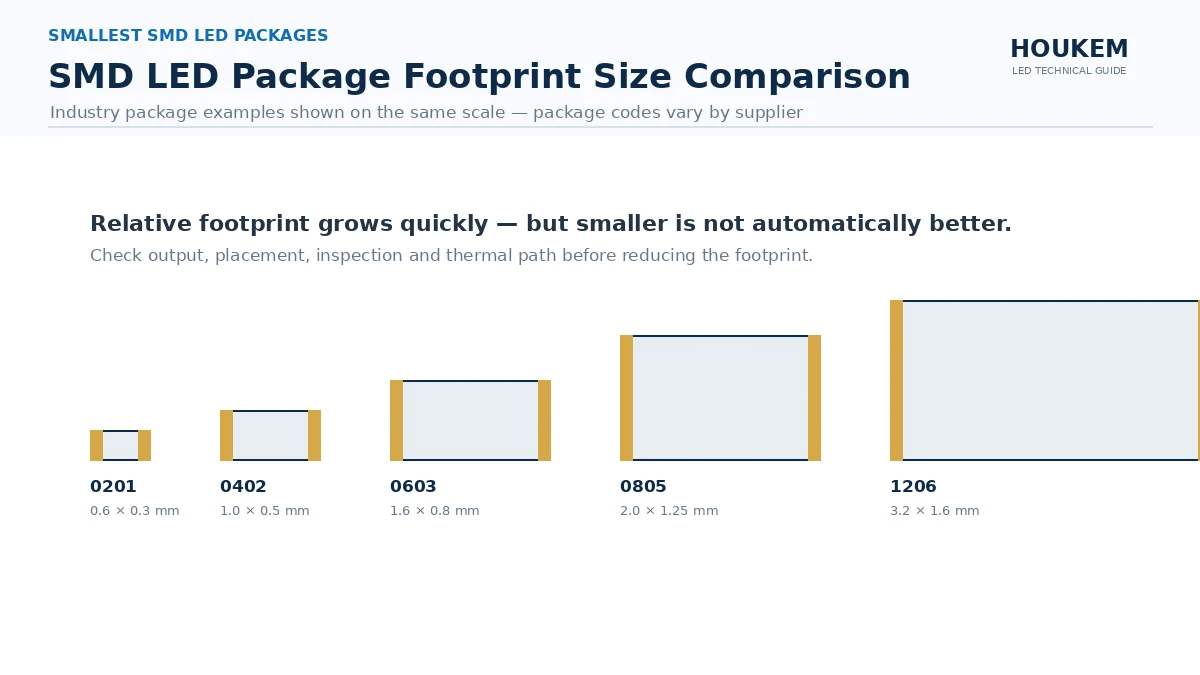
LED displays are built using different LED module types, mainly SMD (Surface-Mounted Device) and DIP (Dual In-line Package). These represent two different LED display packaging types, which directly affect brightness, resolution, and durability.
Understanding these LED screen technology differences is essential before making a purchasing decision, especially for large-scale outdoor or commercial installations.
What Is an SMD LED Display?
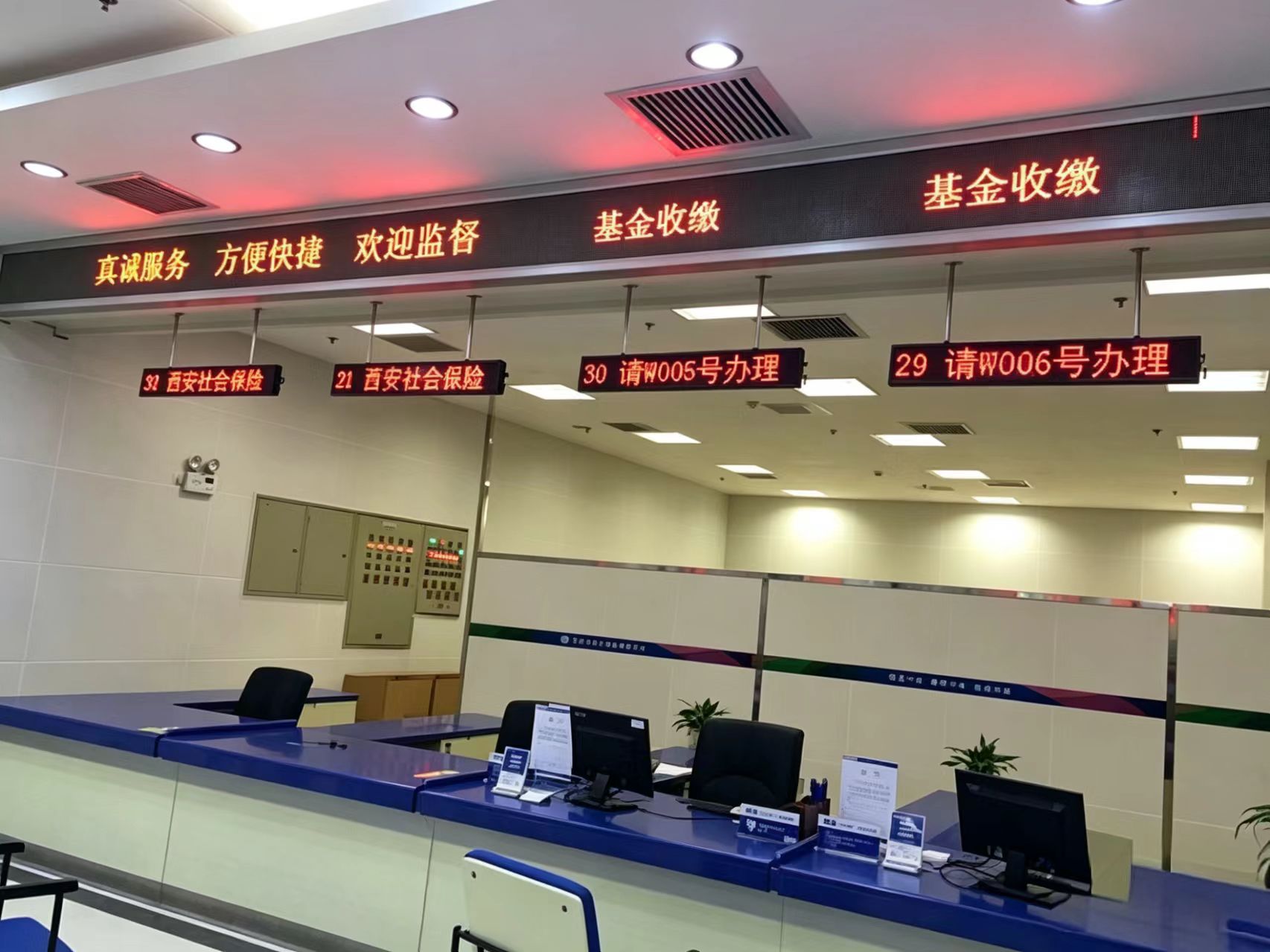
An SMD LED display integrates red, green, and blue chips into a single compact surface-mounted module. This design allows higher pixel density and better image consistency.
SMD technology is widely used in modern LED advertising display technology due to its strong balance between visual quality and efficiency.
Key characteristics:
- High resolution and smooth image output
- Wide viewing angles
- Lower power consumption
- Suitable for close and medium viewing distances
Common applications:
- Retail and shopping malls
- Stadium screens
- Transportation hubs
- Urban digital billboards
In most outdoor LED display technology projects today, SMD is becoming the standard choice for commercial use.
What Is a DIP LED Display?
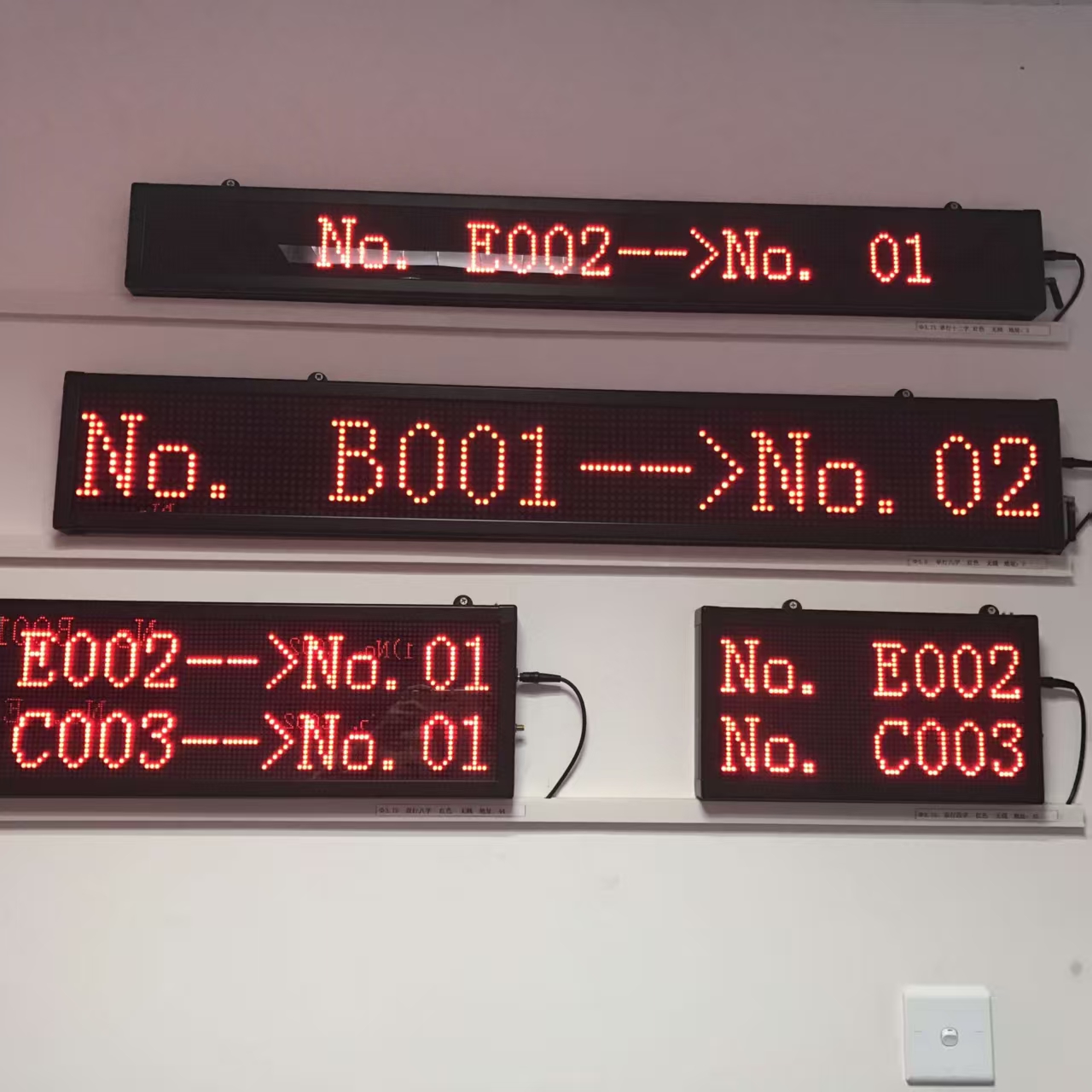
A DIP LED display uses separate red, green, and blue LED lamps inserted through the PCB and soldered individually. This traditional structure is known for its mechanical strength and extreme brightness.
Before SMD became mainstream, DIP dominated large outdoor installations.
Key characteristics:
- Very high brightness performance
- Strong resistance to harsh environments
- Stable operation in extreme weather
- Suitable for long-distance viewing
Common applications:
- Highway information boards
- Traffic control systems
- Industrial monitoring displays
- Large infrastructure signage
In some industrial LED display solutions, DIP is still used where brightness and durability are more important than resolution.

SMD vs DIP LED Display: Key Differences
When comparing SMD LED display vs DIP LED display, the real difference is not just technical—it is operational performance over time.
Brightness Comparison
DIP displays can reach extremely high brightness levels, making them highly visible under direct sunlight.
SMD displays provide sufficient brightness for most urban and commercial environments while maintaining better color balance.
In modern LED display brightness comparison, DIP only holds a clear advantage in extreme long-distance or high-sunlight conditions.
Viewing Experience & Image Quality
SMD technology clearly performs better in image clarity and viewing angle.
- SMD offers smoother visuals and consistent color from multiple angles
- DIP may show color shift at wider viewing positions
For advertising and branding content, SMD delivers a more engaging visual experience.
Cost Comparison Over Time
Initial pricing often makes DIP look more attractive, but long-term evaluation tells a different story.
In a typical LED display cost comparison:
- DIP: lower upfront cost, higher maintenance cost
- SMD: higher initial cost, lower long-term operating cost
Energy efficiency and maintenance frequency usually make SMD more cost-effective over a 3–5 year cycle.
Maintenance Differences
Maintenance is one of the most overlooked factors in LED display planning.
- SMD modules are replaced entirely within minutes
- DIP requires individual lamp soldering and skilled labor
For large-scale installations, SMD significantly reduces downtime and labor dependency.
Environmental Adaptability
Both technologies can operate outdoors, but their strengths differ:
- DIP performs better in extreme sunlight and very harsh environments
- SMD performs better in mixed environments (urban, retail, stadiums, transport)
Modern outdoor LED display technology has significantly improved SMD durability, narrowing the traditional gap.
Real-World Application Guide
Choosing between SMD and DIP depends on actual project conditions rather than specifications alone.
Choose SMD LED display if:
- You need high-quality video and branding content
- Viewing distance is relatively close or medium
- Energy efficiency and maintenance cost matter
- The project is commercial or advertising-focused
Choose DIP LED display if:
- The display is exposed to extreme sunlight all day
- Long-distance visibility is the main requirement
- The environment is harsh or industrial
- Durability is more important than resolution
Emerging Trends in LED Display Technology
The LED industry is evolving beyond traditional SMD and DIP structures.
New solutions include:
- COB (Chip on Board) for higher uniformity
- IMD (Integrated Matrix Device) for improved pixel protection
However, in most LED display technology comparison scenarios today, SMD remains the mainstream choice for commercial applications.
FAQ: SMD vs DIP LED Display
1. Is SMD better than DIP LED display?
Not always. SMD is better for image quality, viewing angles, and energy efficiency, while DIP is stronger in extreme brightness and harsh outdoor environments.
2. Which is more cost-effective in the long run?
SMD is generally more cost-effective over time due to lower energy consumption and reduced maintenance requirements.
3. Can SMD LED displays be used outdoors?
Yes. Modern outdoor SMD displays are widely used in advertising, transportation, and commercial signage applications.
4. Why are DIP LED displays brighter?
DIP LEDs use individual lamp structures that concentrate light output more effectively, resulting in higher peak brightness.
5. Which technology lasts longer?
Both can last many years if properly manufactured and maintained. Environmental conditions and usage intensity often have a greater impact than the technology itself.
Final Conclusion
In most modern LED advertising display technology projects, SMD has become the preferred solution due to its balance of image quality, efficiency, and long-term cost advantages.
DIP still plays an important role in specific high-brightness and industrial scenarios, but its usage is gradually becoming more specialized.
For most commercial and urban applications, SMD LED displays provide a better overall return on investment.
Common Anode vs Common Cathode 7 Segment Display: Complete OEM Guide
SMD vs DIP LED Display: Which Packaging Type Is Right for Your Product?