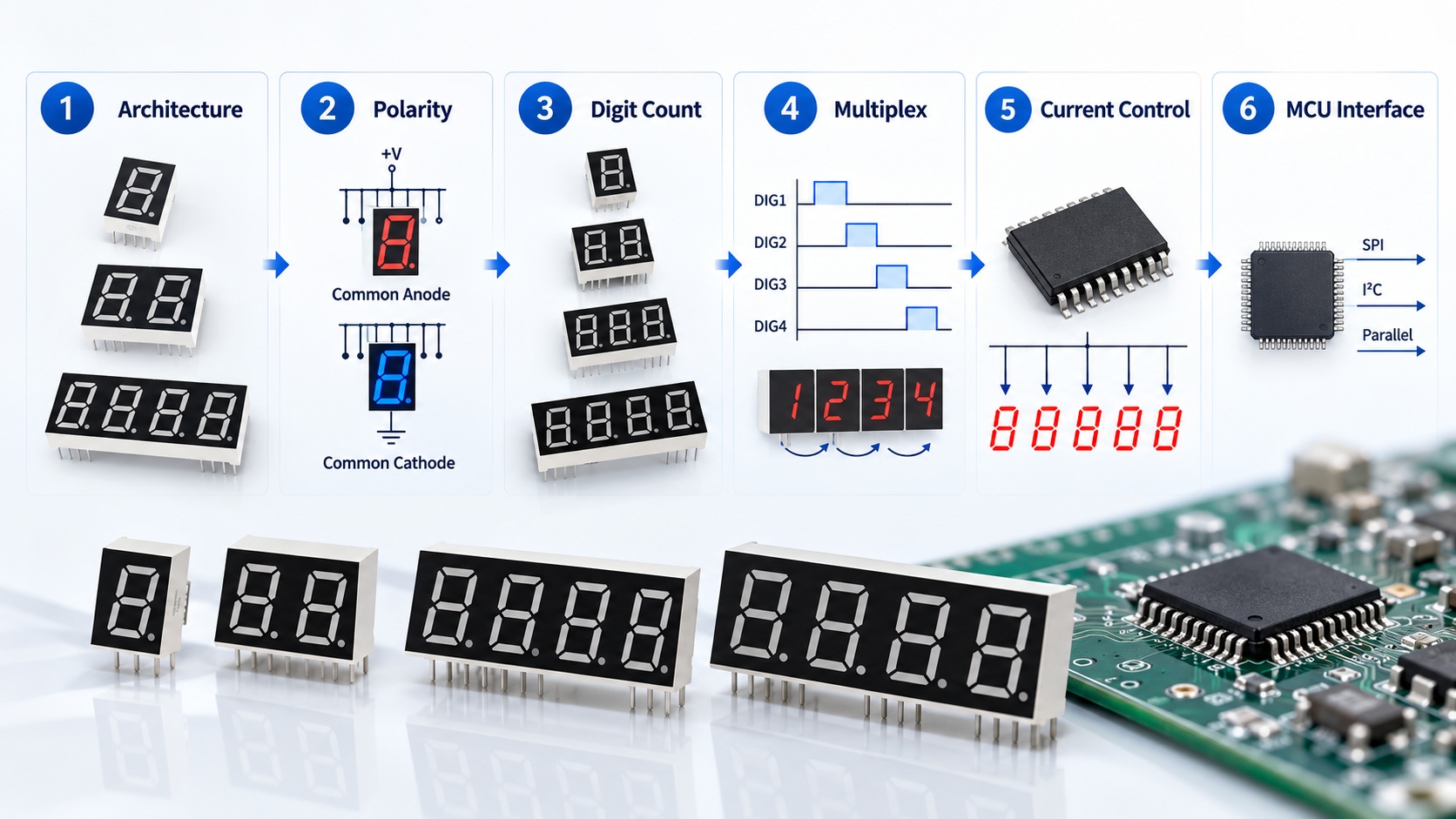
How to Choose Red vs Green LED Display

For engineers and OEM buyers, the decision between a Red vs Green LED Display usually depends on the application purpose, viewing conditions, and user interaction requirements.
Red and green LED displays are both widely used in industrial equipment, measurement devices, automation systems, and control panels. While both provide excellent visibility and reliability, each color has different advantages depending on the role of the display.
This article explains the differences between red and green LED displays and provides practical guidance for selecting the right solution for your project.
Understanding Red LED Display Applications
A red LED display is one of the most widely used display solutions in industrial and electronic equipment. Because red light naturally attracts human attention, it is commonly selected for applications where operators need to quickly identify important information.
In industrial environments, red is often associated with:
- Warning conditions
- Alarm notifications
- Error messages
- Critical measurements
- Equipment faults
For example, a machine control system may use a red LED display to show abnormal temperature values, pressure warnings, or fault codes. The strong visual impact allows operators to notice problems quickly and take action.
Red LED displays are also popular because they provide reliable visibility in different lighting environments. They are commonly used in:
- Industrial meters
- Digital counters
- Factory automation equipment
- Security systems
- Testing instruments
- Control panels
For applications requiring clear numerical information, a red 7 segment LED display remains a practical and cost-effective choice.

Understanding Green LED Display Applications
A green LED display is widely used when the display needs to communicate normal operation, confirmation, or system status.
Green is highly recognizable to the human eye and is often associated with:
- Normal operation
- Safety status
- System readiness
- Successful completion
For example, an automation machine may use a green LED indicator to show that the system is operating correctly or that a process has been completed.
Typical applications include:
- Industrial monitoring systems
- Medical equipment
- Laboratory instruments
- Energy management devices
- Automation controllers
Compared with red displays, green displays are often preferred for information that users need to monitor continuously because they provide a comfortable viewing experience during long operating periods.
Red vs Green LED Display: Key Differences
When comparing a Red vs Green LED Display, there is no single answer for which color is better. The correct choice depends on how the display will be used.
| Comparison Factor | Red LED Display | Green LED Display |
|---|---|---|
| Main purpose | Warning and attention | Status and confirmation |
| Common meaning | Error, alert, abnormal condition | Normal operation, ready state |
| Visual effect | Strong attention attraction | Comfortable long-term viewing |
| Typical applications | Alarms, meters, fault displays | Monitoring systems, indicators |
| Industrial usage | High | High |
Both colors can achieve excellent brightness and readability. The difference is mainly how users interpret the information.
In most industrial designs:
- Red = Something needs attention
- Green = Everything is operating normally
This simple visual communication helps reduce operator mistakes and improves equipment usability.
How to Choose the Right LED Display Color?
Choosing the correct LED color requires more than comparing brightness. A professional LED display color selection process should consider the application requirements, environment, and user expectations.
Consider the Purpose of the Display
The first question engineers should ask is:
What information does the display need to communicate?
A red LED display is usually the better choice for:
- Warning signals
- Emergency indicators
- Error codes
- Abnormal conditions
A green LED display is commonly selected for:
- Operating status
- System confirmation
- Equipment readiness
- Normal measurements
For equipment that requires multiple status signals, manufacturers may combine different LED colors to create an intuitive user interface.
Consider the Operating Environment
The installation environment has a significant impact on display performance.
Important factors include:
- Ambient lighting conditions
- Viewing distance
- Display size
- Required brightness
- Viewing angle
For indoor equipment, both red and green displays can provide excellent readability.
For outdoor or high-brightness environments, engineers should focus more on LED intensity, contrast, and optical design rather than color alone.
A properly designed Industrial LED Display should maintain clear visibility throughout the expected operating conditions.
Consider Industry Application Requirements
Different industries have different expectations for LED color usage.
For example:
Industrial Control Panels
A LED display for control panel applications usually requires fast recognition and reliable operation.
Red displays are commonly used for:
- Alarm information
- Fault codes
- Warning values
Green displays are commonly used for:
- Machine status
- Normal operation
- System confirmation
Measurement Equipment
Many measurement devices use a monochrome LED display because it provides simple, reliable, and easy-to-read information.
Common applications include:
- Temperature controllers
- Voltage meters
- Industrial counters
- Testing equipment
The selected LED color should match the purpose of the information being displayed.
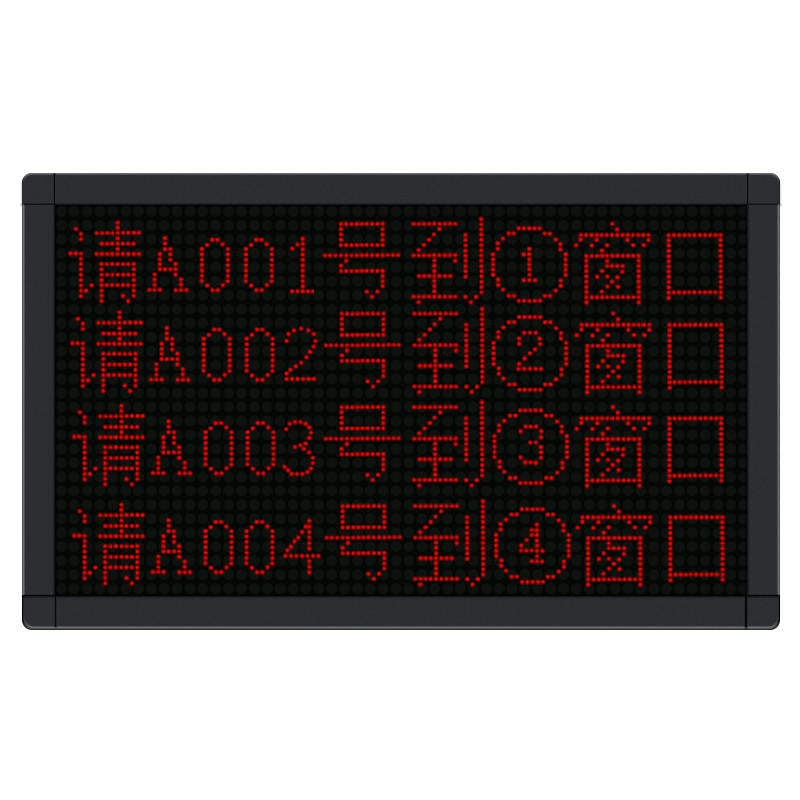
Choosing the Right Display Type for Your Project
LED color selection is also connected with the type of display technology used.
For example, a 7 segment LED display color decision depends on:
- Character size
- Viewing distance
- Required brightness
- Application environment
- Product design requirements
7 segment displays are commonly used for numerical information because they provide:
- Clear digit visibility
- Low power consumption
- Long service life
- Simple integration
For more complex equipment, OEM customers may require customized display solutions with specific sizes, colors, connectors, or electrical specifications.
Why Work with a Custom LED Display Manufacturer?
Many industrial applications require more than a standard display. OEM equipment manufacturers often need displays that match their product design and technical requirements.
A professional custom LED display manufacturer can provide solutions including:
- Customized display dimensions
- Different LED colors
- Brightness adjustment
- PCB customization
- Connector options
- Housing design
- Application-specific configurations
For example, a medical device manufacturer may require a compact green status display, while an industrial automation company may need a large red numerical display for warning information.
Working with an experienced manufacturer helps ensure the display performs correctly within the final product.
Houkem provides customized LED display solutions for OEM customers, including segment displays, indicator displays, and industrial display modules designed for different application requirements.
FAQs About Red vs Green LED Display
Which is better, red or green LED display?
The better choice depends on the application. Red LED displays are usually preferred for warnings and alerts, while green LED displays are commonly used for normal operation and status indication.
Is a green LED display brighter than a red LED display?
Not necessarily. Green light is more sensitive to the human eye, but actual brightness depends on LED technology, current control, display design, and operating environment.
What industries use red and green LED displays?
Red and green LED displays are widely used in industrial automation, medical equipment, measurement instruments, control panels, and electronic devices.
Can LED display colors be customized for OEM products?
Yes. Many manufacturers provide customized LED displays with different colors, sizes, brightness levels, and designs based on customer requirements.
How do I choose the right LED display for a control panel?
The choice depends on the information being displayed, viewing environment, required visibility, and user interaction. Red is commonly used for warnings, while green is often used for normal status information.
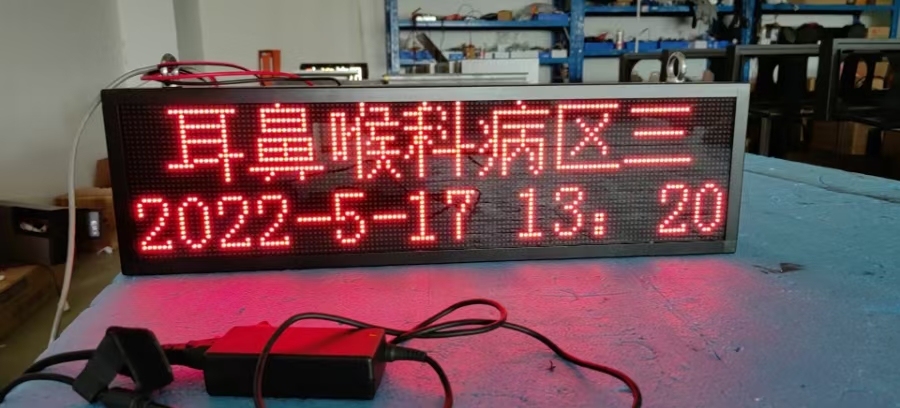
Conclusion
Choosing between a red and green LED display requires more than selecting a color preference. The right choice depends on the application purpose, operating environment, visibility requirements, and how users interact with the equipment.
Red LED displays are commonly used for warnings, alarms, and critical information that requires immediate attention, while green LED displays are often selected for normal operation status, confirmation signals, and continuous monitoring applications.
For OEM manufacturers and industrial equipment designers, selecting the right LED display solution helps improve product usability, operational safety, and user experience. By working with an experienced LED display manufacturer, companies can develop customized displays with the right color, size, brightness, and configuration for their specific applications.
Need a customized LED display solution for your project? Contact Houkem to discuss your requirements and get professional support for your OEM display design.
How to Evaluate LED Display Brightness Uniformity
How to Choose a 7 Segment Display for Digital Meter Products