SMD vs DIP LED Display: Which Packaging Type Is Right for Your Product?
Choosing between an SMD vs DIP LED display is not just a component decision—it directly affects PCB assembly, production efficiency, product size, and long-term reliability.
For engineers and OEM buyers working on 7 segment LED display, numeric LED display, or industrial control systems, the right packaging choice can significantly influence manufacturing cost and assembly strategy.
This guide explains dip vs smd 7 segment display differences in a practical way based on real production and application scenarios, not just theory.
Quick Selection Guide: SMD vs DIP LED Display
| Requirement | Recommended Type |
|---|---|
| Compact PCB design | SMD |
| Automated mass production | SMD |
| Manual soldering / prototyping | DIP |
| Easy field repair | DIP |
| High-volume OEM production | SMD |
| Low-volume or flexible design changes | DIP |
There is no universally “better” option. The correct choice depends on your manufacturing process and application environment.

What Are SMD and DIP LED Displays?
DIP LED Display (Through-Hole Type)
A DIP LED display uses a through-hole structure where pins pass through the PCB and are soldered on the opposite side.
This through hole LED display type is widely used in:
- Industrial meters
- Control panels
- Measurement equipment
- Traditional electronic systems
DIP displays are known for their mechanical strength and ease of manual repair, making them suitable for long-life industrial equipment.
SMD LED Display (Surface Mount Type)
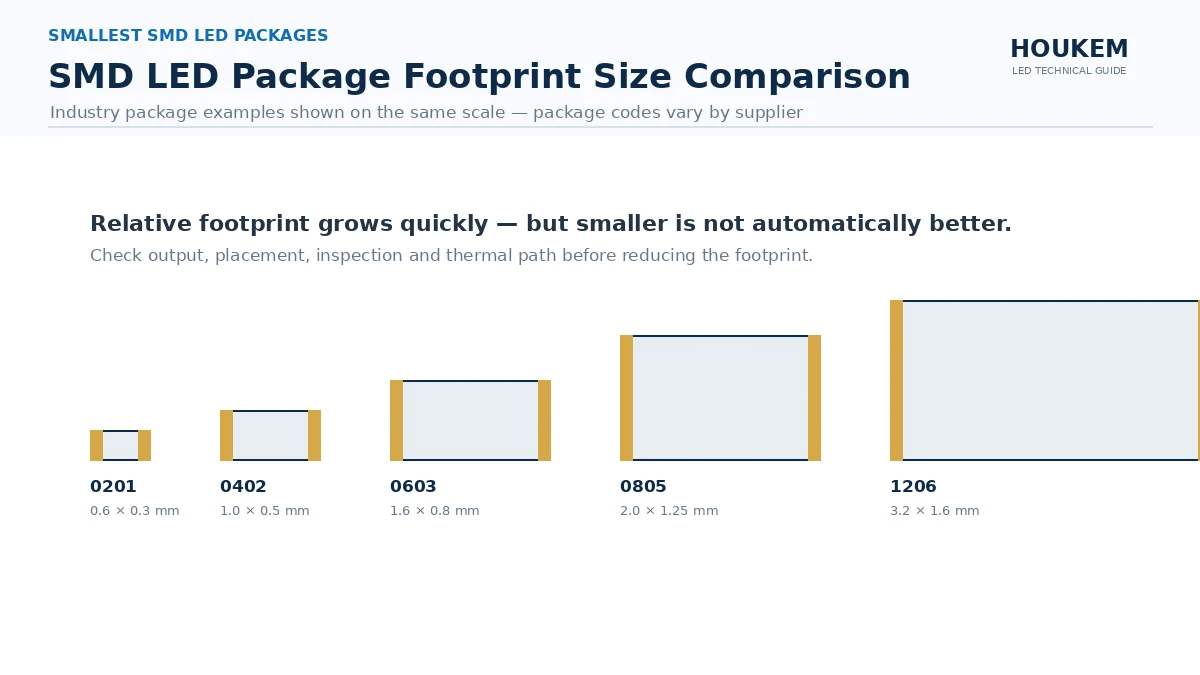
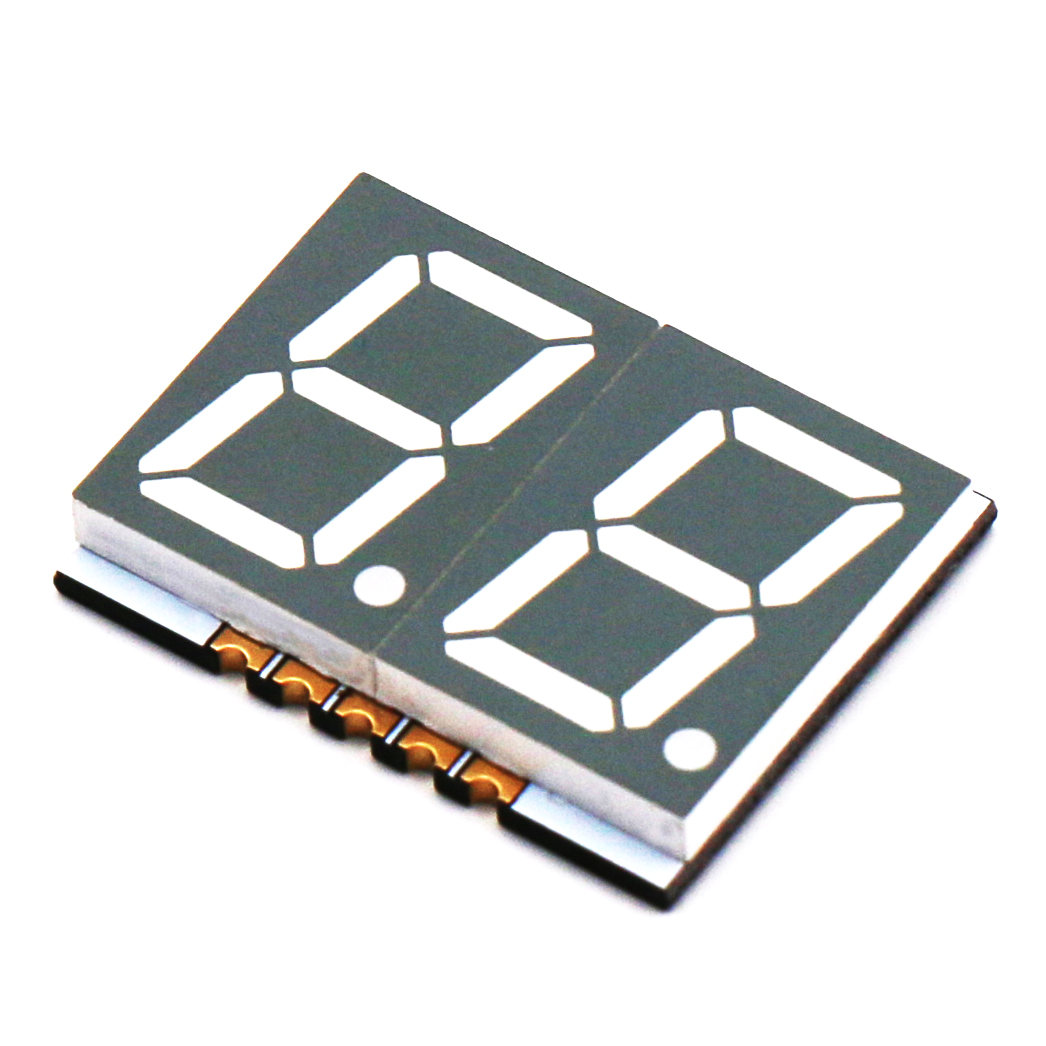
A surface mount LED display is mounted directly onto the PCB surface using SMT (Surface Mount Technology).
Compared to DIP, SMD provides:
- Smaller footprint
- Higher integration density
- Better compatibility with automated assembly
- Lower long-term production cost at scale
Modern SMD 7 segment display and compact numeric modules widely adopt this structure for space-efficient designs.
Key Differences That Matter in Real Production
| Aspect | DIP | SMD |
|---|---|---|
| Assembly method | Through-hole soldering | Reflow soldering |
| PCB design | Requires holes | No holes required |
| Automation level | Low | High |
| Repairability | Easy | More complex |
| PCB space usage | Larger | Compact |
| Production efficiency | Lower | Higher |
In real LED display packaging comparison, the decision is usually driven more by production line capability than by electrical performance.
When to Choose DIP LED Display
DIP remains a practical choice in specific industrial scenarios.
You should consider DIP if:
- Your product requires field-level maintenance
- Assembly is done manually or in small batches
- PCB design is simple or low-density
- Mechanical strength is a priority
In many industrial LED display applications, DIP is still widely used because it is easier to repair and more tolerant of harsh environments.
When to Choose SMD LED Display
SMD is preferred in modern electronics and OEM manufacturing.
You should consider SMD if:
- Your design is space-constrained
- You use automated SMT production lines
- You need high-volume manufacturing
- You require compact numeric LED display integration
For most new OEM projects, smd vs dip led display decisions tend to lean toward SMD when reflow soldering is available.

Practical Selection Logic (What Engineers Actually Do)
In real projects, packaging choice is usually decided by three factors:
1. Assembly process
If you use reflow soldering → SMD is required
If you use wave or manual soldering → DIP is easier
2. Production volume
Low volume projects → DIP is flexible
High volume OEM production → SMD is more cost-efficient
3. Maintenance requirements
Frequent field repair → DIP preferred
Sealed or disposable devices → SMD preferred
SMD vs DIP for 7 Segment and Numeric LED Displays
For 7 segment LED display applications:
- DIP displays are still common in industrial instruments and legacy systems
- SMD 7 segment displays dominate modern compact electronics and smart devices
For dip vs smd 7 segment display selection, most OEM manufacturers choose SMD for new designs, while DIP remains in maintenance-heavy industrial equipment.
Common Mistakes in Selection
Many OEM buyers make the following mistakes:
- Choosing SMD only because it is newer technology
- Using DIP in compact portable devices
- Ignoring reflow or wave soldering compatibility
- Not considering field repair conditions
The correct approach is always to match packaging type with manufacturing reality, not perception.
FAQ
What is the difference between SMD vs DIP LED display?
DIP uses through-hole mounting, while SMD uses surface mounting on PCB. The key difference is manufacturing method and assembly efficiency.
Which is better: SMD or DIP LED display?
Neither is universally better. SMD is better for compact and high-volume production, while DIP is better for repairable and industrial applications.
Is SMD used in 7 segment LED displays?
Yes. SMD 7 segment displays are widely used in modern electronic products due to their compact size and automation compatibility.
Why are DIP LED displays still used?
Because they are easier to repair, more mechanically robust, and compatible with legacy industrial systems.
Can I mix SMD and DIP on the same board?
Yes, but it increases manufacturing complexity because it may require both reflow and wave soldering processes.
Conclusion: SMD vs DIP LED Display
There is no universal winner in the smd vs dip led display comparison. The choice depends mainly on your production process and application requirements.
As a simple rule:
- Choose SMD for compact design and automated, high-volume manufacturing
- Choose DIP for easier manual assembly, field repair, and industrial reliability
In most modern 7 segment LED display and numeric LED display applications, SMD is the preferred option for new designs, while DIP is still used in legacy and industrial systems.
Need Technical Support?
If you are selecting LED display packaging for an OEM project, the right choice depends on your PCB design, assembly process, and production scale.
HOUKEM can support both SMD and DIP LED display solutions for:
- Custom LED display projects
- 7 segment LED display modules
- Industrial display applications
- OEM manufacturing requirements
👉 Contact us for technical recommendation based on your application.
SMD vs DIP LED Display (2025): Cost, Brightness & Outdoor Durability
How to Read LED Specifications: Parameters That Actually Matter