How to Reduce Power Consumption in LED Displays: 10 Practical Design Tips for Engineers
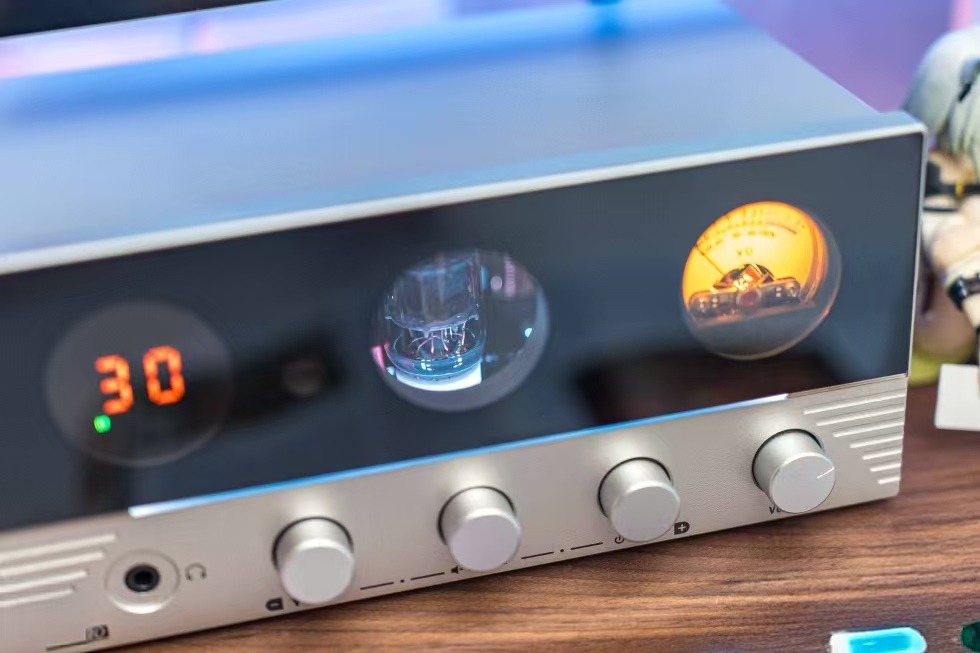
For engineers and product designers, LED display power consumption is an important factor during the development stage. A display with unnecessary power usage can increase system heat, require larger power supplies, reduce battery life, and affect the overall reliability of the final product.
The good news is that high power consumption is not always caused by the LED itself. In many cases, it comes from inefficient circuit design, excessive driving current, unsuitable driver IC selection, or incorrect brightness settings.
This article explains how to reduce LED display power consumption through practical engineering methods, helping designers develop a more efficient and reliable low power LED display solution without compromising visibility or performance.
Why LED Display Power Consumption Matters in Product Design
When selecting or designing an LED display, many engineers focus first on brightness, size, and appearance. However, power consumption directly affects the entire electronic system.
A high-power display may create several challenges:
-
Increased heat generation inside the product enclosure
-
Higher requirements for power supply capacity
-
Reduced efficiency in battery-powered devices
-
Shorter component lifespan due to thermal stress
-
Increased operating costs for continuously running equipment
For example, industrial control panels and automation equipment often operate 24 hours a day. Even a small reduction in power consumption can make a significant difference over the product lifetime.
A properly designed energy efficient LED display design should balance brightness, current consumption, circuit efficiency, and application requirements.
The goal is not simply to reduce power. The goal is to achieve the required display performance with the lowest practical energy usage.

What Factors Affect LED Display Power Consumption?
Understanding the factors that influence power usage is the first step to improving efficiency.
The main factors include:
LED Quantity and Display Size
More LED segments or pixels require more current. A larger display naturally consumes more power if all other conditions remain the same.
Operating Current
The current supplied to each LED directly affects brightness and power consumption. Higher current increases brightness but also increases energy usage and heat.
Forward Voltage of LEDs
Different LED chips have different forward voltage characteristics. Higher forward voltage generally results in greater power requirements.
Brightness Level
Many displays operate at higher brightness than necessary. Reducing brightness according to the actual environment can significantly lower energy consumption.
Driver Circuit Efficiency
The driver IC and circuit design determine how efficiently electrical energy is converted into light output.
Display Driving Method
Multiplexing, scanning frequency, and current control methods all influence actual power usage.
By analyzing these factors, engineers can identify where energy is wasted and apply targeted improvements.
How to Calculate LED Display Power Consumption
Before optimizing a design, engineers need to understand how much power an LED display uses.
The basic calculation formula is:
Power Consumption (W) = Voltage (V) × Current (A)
For an LED display system, the total power depends on:
-
Number of LEDs or segments
-
LED forward voltage
-
Driving current
-
Duty cycle
-
Driver IC efficiency
-
Operating brightness
For example, if an LED display operates at 5V with a current of 500mA:
Power = 5V × 0.5A = 2.5W
However, actual LED display power consumption can vary because many displays use multiplexing technology. The average power may be lower than the peak power depending on the scanning method and duty cycle.
When engineers perform LED display power calculation, they should consider both electrical specifications and real operating conditions.
10 Practical Ways to Reduce LED Display Power Consumption
1. Select High-Efficiency LED Chips
The LED chip is the foundation of display efficiency. Different LED chips can produce different brightness levels under the same current.
Using high-efficiency LED chips allows designers to achieve sufficient brightness without increasing power input.
For a low power LED display, engineers should evaluate:
-
Luminous efficiency
-
Forward voltage
-
Thermal characteristics
-
Long-term stability
A common mistake is increasing current to compensate for low-efficiency LEDs. While this may improve brightness temporarily, it also increases heat and reduces efficiency.
A better approach is selecting LED components that provide higher optical output with lower electrical input.
For manufacturers and OEM customers, choosing the right LED chip at the beginning of a project can significantly influence the final product's energy performance.
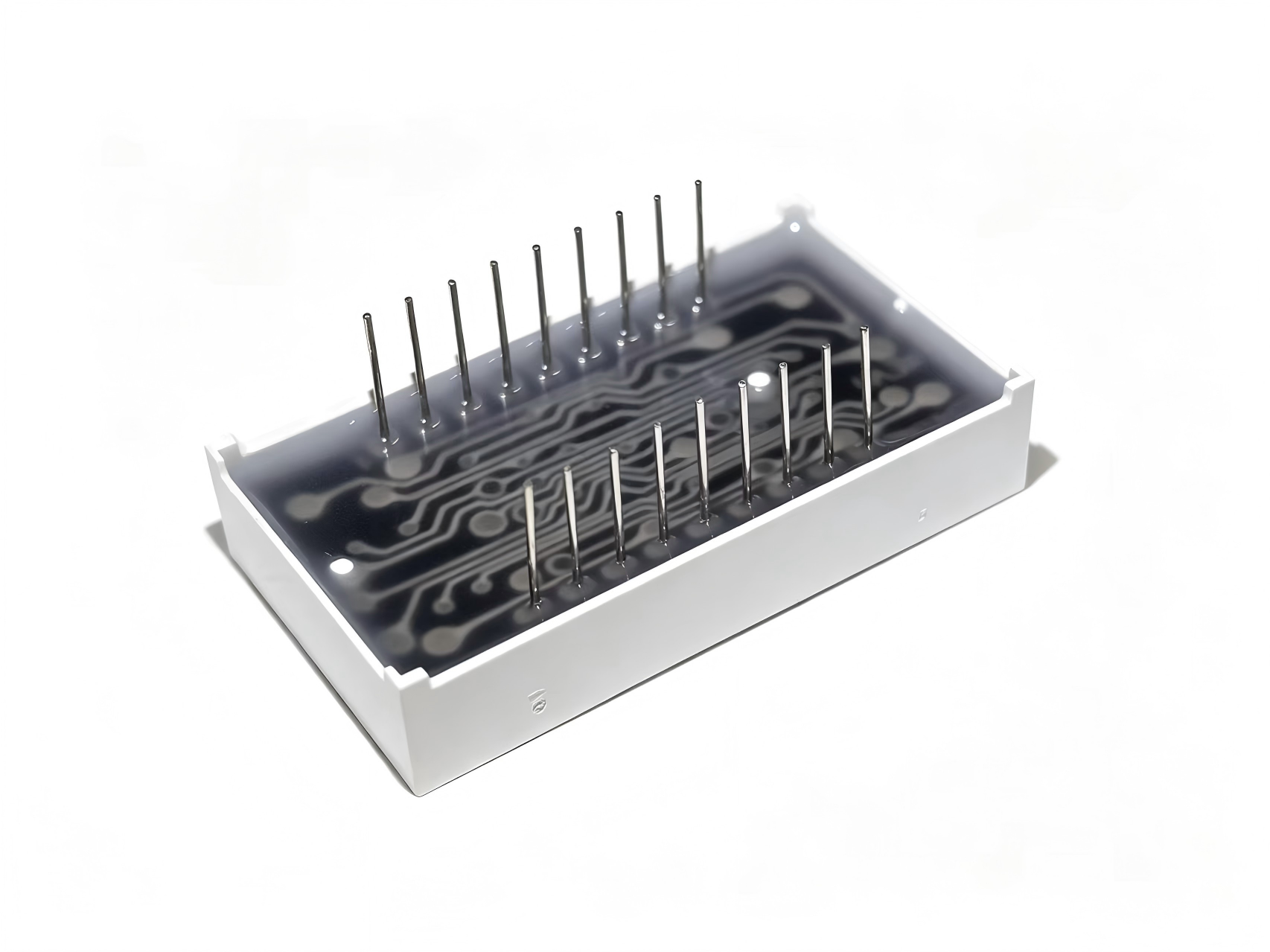
2. Optimize LED Driving Current
Driving current is one of the most direct factors affecting LED display power consumption.
Higher current produces higher brightness, but it also increases:
-
Power consumption
-
Heat generation
-
Component stress
In many applications, LEDs do not need to operate at maximum current. Engineers should select the appropriate current according to:
-
Viewing distance
-
Indoor or outdoor environment
-
Required brightness level
-
Product lifetime expectations
Using a properly configured constant-current driver helps maintain stable LED performance while avoiding unnecessary energy usage.
Optimizing LED display current consumption is especially important for industrial equipment and portable electronic products where efficiency and reliability are critical.
3. Use Multiplexing Technology Correctly
Multiplexing is widely used in LED displays because it allows multiple segments or rows to share driver resources.
A properly designed multiplexing system can reduce the number of required components and lower average power consumption.
However, poor multiplexing design may create problems such as:
-
Uneven brightness
-
Insufficient refresh rate
-
Increased peak current
-
Reduced display stability
Engineers should carefully optimize:
-
Scan ratio
-
Refresh frequency
-
Pulse current
-
Duty cycle
The key is finding the right balance between brightness, performance, and efficiency.
For example, a display used in an indoor instrument panel may not require the same driving conditions as an outdoor display exposed to direct sunlight.
4. Choose the Right Configuration: Common Anode vs Common Cathode LED Display
When designing LED displays, the choice between common anode vs common cathode LED display can affect efficiency, especially in multi-color LED applications.
Common Anode LED Display
In a common anode design, all LED anodes are connected together, and the driver controls the cathode side.
Advantages include:
-
Simple circuit structure
-
Compatibility with many traditional driver systems
Common Cathode LED Display
In a common cathode design, all LED cathodes share a common connection, allowing separate control of LED channels.
Potential advantages include:
-
Lower voltage loss
-
Improved current control
-
Reduced heat generation
-
Better energy efficiency in many applications
For projects where power consumption and thermal management are important, selecting the correct LED configuration can improve overall system performance.
The best choice depends on the application requirements, driver design, and operating conditions.
5. Control Brightness According to Application Requirements
Brightness is one of the easiest areas to optimize.
Many LED displays consume unnecessary power because they operate at maximum brightness even when the environment does not require it.
For example:
-
Indoor equipment usually needs lower brightness than outdoor devices
-
Night operation requires less brightness than daytime operation
-
Battery-powered products benefit greatly from adaptive brightness control
Engineers can reduce power usage by implementing:
-
Ambient light sensors
-
Automatic brightness adjustment
-
Software-controlled brightness levels
Smart brightness management is a simple but effective method to improve efficiency while maintaining good visibility.
A well-designed LED display should provide the right brightness for the application, not simply the highest brightness possible.
6. Optimize PCB Layout and Circuit Design
The PCB design has a direct impact on LED display power consumption and overall system efficiency. Even when using high-quality LED chips, poor circuit design can create unnecessary power losses.
Common PCB-related issues include:
-
Excessive resistance in power paths
-
Poor current distribution between LED channels
-
Insufficient heat dissipation
-
Unoptimized component placement
To improve efficiency, engineers should consider:
-
Using suitable copper thickness for current paths
-
Reducing unnecessary trace length
-
Separating power and signal paths properly
-
Improving thermal management around high-current components
A well-designed PCB ensures that electrical energy is delivered efficiently to the LEDs instead of being wasted as heat.
For customized LED display projects, circuit optimization during the early design stage can help achieve a more reliable and energy efficient LED display design.
7. Select an Efficient LED Driver IC
The driver IC is another key component that influences power efficiency. It controls how current is delivered to the LED segments and directly affects system performance.
An inefficient driver IC may cause:
-
Higher power loss
-
Excessive heat generation
-
Unstable LED brightness
-
Increased overall current consumption
When selecting an LED driver IC, engineers should evaluate:
-
Current accuracy
-
Operating voltage range
-
Power conversion efficiency
-
Thermal performance
-
Standby power consumption
Optimizing LED display driver IC power consumption helps improve the efficiency of the entire display system.
For industrial and commercial applications that operate continuously, choosing an efficient driver IC can significantly reduce long-term energy usage.
8. Improve Thermal Management
Although LEDs are more efficient than many traditional lighting technologies, they still generate heat during operation. Excessive temperature can reduce LED efficiency and shorten product lifespan.
Poor thermal design may lead to:
-
Increased power loss
-
Reduced brightness stability
-
Faster component aging
-
Lower system reliability
To improve thermal performance, engineers can:
-
Select suitable PCB materials
-
Add proper heat dissipation structures
-
Optimize component spacing
-
Control operating current
Good thermal management does not only protect the LED. It also helps maintain stable optical performance over the entire product lifetime.
For high-power LED displays, thermal design should be considered together with electrical optimization.
9. Reduce Unnecessary Operating Time and Brightness
Not every LED display needs to operate at full capacity all the time.
In many applications, intelligent control strategies can reduce energy usage without affecting user experience.
Common energy-saving methods include:
-
Standby mode
-
Automatic power control
-
Scheduled operation
-
Dynamic brightness adjustment
For example, an industrial device used during working hours may reduce display brightness or enter a low-power mode during idle periods.
These small improvements can create meaningful energy savings, especially for products that operate continuously.
Combining hardware optimization with software control is an effective way to develop a practical low power LED display solution.
10. Work With an Experienced LED Display Manufacturer
Reducing display power consumption is not only about selecting individual components. The overall design approach, manufacturing experience, and technical support also play important roles.
A professional LED display manufacturer can help optimize:
-
LED chip selection
-
Display structure
-
Driver circuit design
-
Power requirements
-
Thermal performance
-
Customized solutions
At HOUKEM, we provide customized LED display solutions for industrial equipment, electronic devices, and OEM applications. With years of experience in LED manufacturing, our engineering team supports customers in developing reliable displays with optimized performance and power efficiency.
From component selection to production, working with an experienced supplier helps reduce development risks and improve final product quality.

Common Design Mistakes That Increase LED Display Power Consumption
Even with advanced LED technology, several design mistakes can lead to unnecessary energy consumption.
Using Excessive Brightness
Many displays operate brighter than required. Higher brightness increases current demand and heat generation.
Selecting Incorrect Driving Current
Over-driving LEDs may improve brightness temporarily but reduces efficiency and product lifespan.
Ignoring Driver IC Efficiency
A low-efficiency driver can waste significant energy during long-term operation.
Poor Thermal Design
High temperatures reduce LED performance and may increase power requirements.
Choosing Components Without Considering the Application
A display designed for outdoor environments may require different specifications compared with an indoor control panel.
Understanding these factors allows engineers to avoid unnecessary power consumption during product development.
Common Anode vs Common Cathode LED Display: Which One Uses Less Power?
The choice between common anode and common cathode designs is a common consideration in LED display development.
| Feature | Common Anode LED Display | Common Cathode LED Display |
|---|---|---|
| Connection method | Shared positive connection | Shared negative connection |
| Current control | Cathode side control | Individual channel control |
| Voltage efficiency | Standard | Often improved |
| Heat generation | Higher in some designs | Lower in many applications |
| Energy efficiency | Application dependent | Suitable for energy-saving designs |
For applications where power efficiency and thermal performance are important, common cathode solutions are often considered because they allow more precise current management.
However, the best choice depends on the complete system design, including the driver IC, PCB structure, and operating environment.
How to Develop an Energy Efficient LED Display Solution
A successful energy-saving LED display design requires cooperation between electrical design, component selection, and manufacturing expertise.
Engineers should consider the following steps:
Step 1: Define Application Requirements
Understand:
-
Required brightness
-
Viewing distance
-
Operating environment
-
Power limitations
Step 2: Select Suitable LED Components
Choose LEDs based on:
-
Efficiency
-
Voltage characteristics
-
Reliability
-
Wavelength requirements
Step 3: Optimize the Driving System
Adjust:
-
Current level
-
Driver IC selection
-
Multiplexing method
Step 4: Improve Thermal and PCB Design
Ensure:
-
Stable power delivery
-
Effective heat management
-
Long-term reliability
Step 5: Test Real Operating Conditions
Measure:
-
Actual current consumption
-
Temperature performance
-
Brightness stability
This approach helps engineers create displays that provide excellent performance while maintaining lower energy usage.
FAQ About LED Display Power Consumption
What factors affect LED display power consumption?
LED display power consumption is mainly affected by LED quantity, operating current, forward voltage, brightness level, driver efficiency, and circuit design.
How much power does an LED display use?
The power consumption of an LED display depends on its size, LED type, voltage, current, and operating mode. Engineers can estimate usage through voltage × current calculations and real application testing.
How can I reduce LED display power consumption without reducing brightness?
Engineers can improve efficiency by using higher-efficiency LEDs, optimizing driving current, selecting suitable driver ICs, and applying intelligent brightness control.
Are common cathode LED displays more energy efficient than common anode designs?
Common cathode LED displays can provide better efficiency in many applications because they allow improved current control and reduced voltage loss.
Does HOUKEM provide customized low power LED display solutions?
Yes. HOUKEM provides customized LED display solutions for OEM customers, including component selection, design support, and production services based on specific application requirements.
Conclusion
Reducing LED display power consumption requires more than simply lowering current. A successful design combines efficient LED chips, optimized driving methods, suitable driver ICs, effective thermal management, and intelligent brightness control.
For engineers, the goal is to create a display that delivers reliable visibility while minimizing unnecessary energy usage.
Whether you are developing industrial equipment, control systems, medical devices, or customized electronic products, choosing the right LED display technology can improve efficiency, reliability, and product value.
HOUKEM specializes in customized LED display solutions, including 7 segment LED displays, SMD LED displays, and other LED components for global OEM customers. Contact our engineering team to discuss your project requirements and develop an efficient display solution designed for your application.
How to Select a Numeric LED Display for an OEM Product
LED Display Brightness Explained: What mcd Means for Engineers