Mini 7 Segment Displays in Industrial Equipment: A Complete Selection Guide
Choosing the Right Mini 7 Segment Display for Industrial Equipment
In industrial electronics, choosing the right display is not only about showing numbers. The display size, readability, power consumption, and integration method can directly affect product performance and user experience.
A Mini 7 Segment Display remains one of the most widely used solutions for industrial devices because it offers excellent visibility, fast response, simple control, and long-term reliability.
Unlike graphical displays that require complex drivers and higher power consumption, 7-segment LED technology provides a practical solution for equipment that mainly needs clear numeric information.
As an experienced OEM LED Display Manufacturer, Houkem provides standard and customized LED display solutions, including mini 7 segment LED displays, industrial display modules, and custom display solutions for automation equipment, measurement devices, and electronic products.
This guide explains how engineers can select the right mini 7 segment display based on application requirements, viewing distance, package type, and customization needs.
What Is a Mini 7 Segment Display?
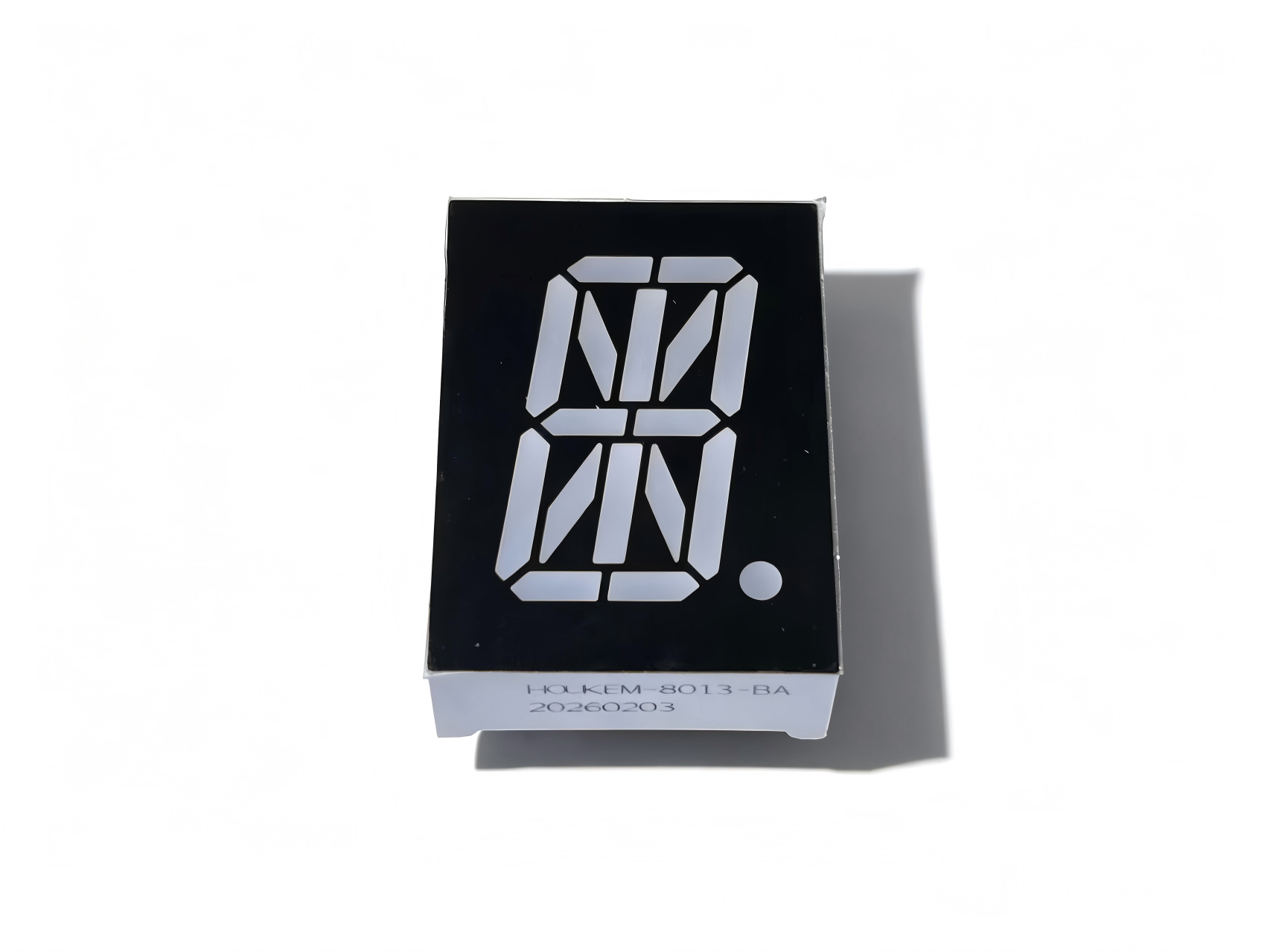
A Mini 7 Segment Display is a compact LED module that uses seven individual LED segments to display numbers and basic characters.
Each segment can be controlled separately to create different numeric combinations, making it ideal for applications where users mainly need to read values such as temperature, voltage, speed, pressure, or counting information.
Compared with LCD or TFT displays, mini 7 segment LED displays provide several advantages:
- High contrast and excellent readability
- Fast response time
- Low power consumption
- Simple electronic control
- Long operating lifetime
- Reliable performance in industrial environments
For products that require simple numeric information, a 7-segment LED solution is often more efficient and cost-effective than a graphical display.
Key Factors When Selecting a Mini 7 Segment Display
Choosing the correct display requires balancing several factors, including digit size, viewing distance, electrical requirements, installation space, and working environment.
1. Select Digit Height Based on Viewing Distance
The most important factor when choosing a display is digit height.
A display that is too small may work during testing but become difficult to read when installed inside a machine, control cabinet, or production environment.
A commonly used engineering guideline is:
Minimum Digit Height (inch) = Viewing Distance (feet) / 30
For example:
| Viewing Distance | Recommended Digit Height | Typical Applications |
|---|---|---|
| Around 1 meter | 0.2" - 0.3" | Portable instruments |
| Around 2 meters | 0.3" - 0.5" | Control panels |
| Around 3 meters | 0.5" - 0.8" | Industrial machines |
| More than 5 meters | 1.0" or larger | Large equipment displays |
For factory environments with strong lighting, vibration, or frequent operator interaction, selecting a slightly larger digit height usually improves readability.
This is especially important for a Small 7 Segment Display for Industrial Equipment, where limited space must be balanced with clear visibility.
2. Choose Between SMD and DIP Package Types
Mini 7 segment displays are commonly available in SMD and DIP versions. The right choice depends on mechanical design, production requirements, and application conditions.
| Feature | DIP Package | SMD Package |
|---|---|---|
| Mounting Method | Through-hole | Surface mount |
| Mechanical Strength | Excellent | Good |
| PCB Space | Larger | More compact |
| Assembly Process | Wave soldering/manual | Automated SMT assembly |
| Product Height | Higher profile | Lower profile |
| Suitable Applications | Industrial equipment | Compact electronic products |
When DIP Displays Are Recommended
DIP mini displays are commonly selected for:
- Industrial automation equipment
- Machine controllers
- Measuring instruments
- High-vibration environments
The through-hole structure provides strong mechanical support and reliable long-term performance.
When SMD Displays Are Recommended
SMD displays are suitable for:
- Space-limited devices
- Portable instruments
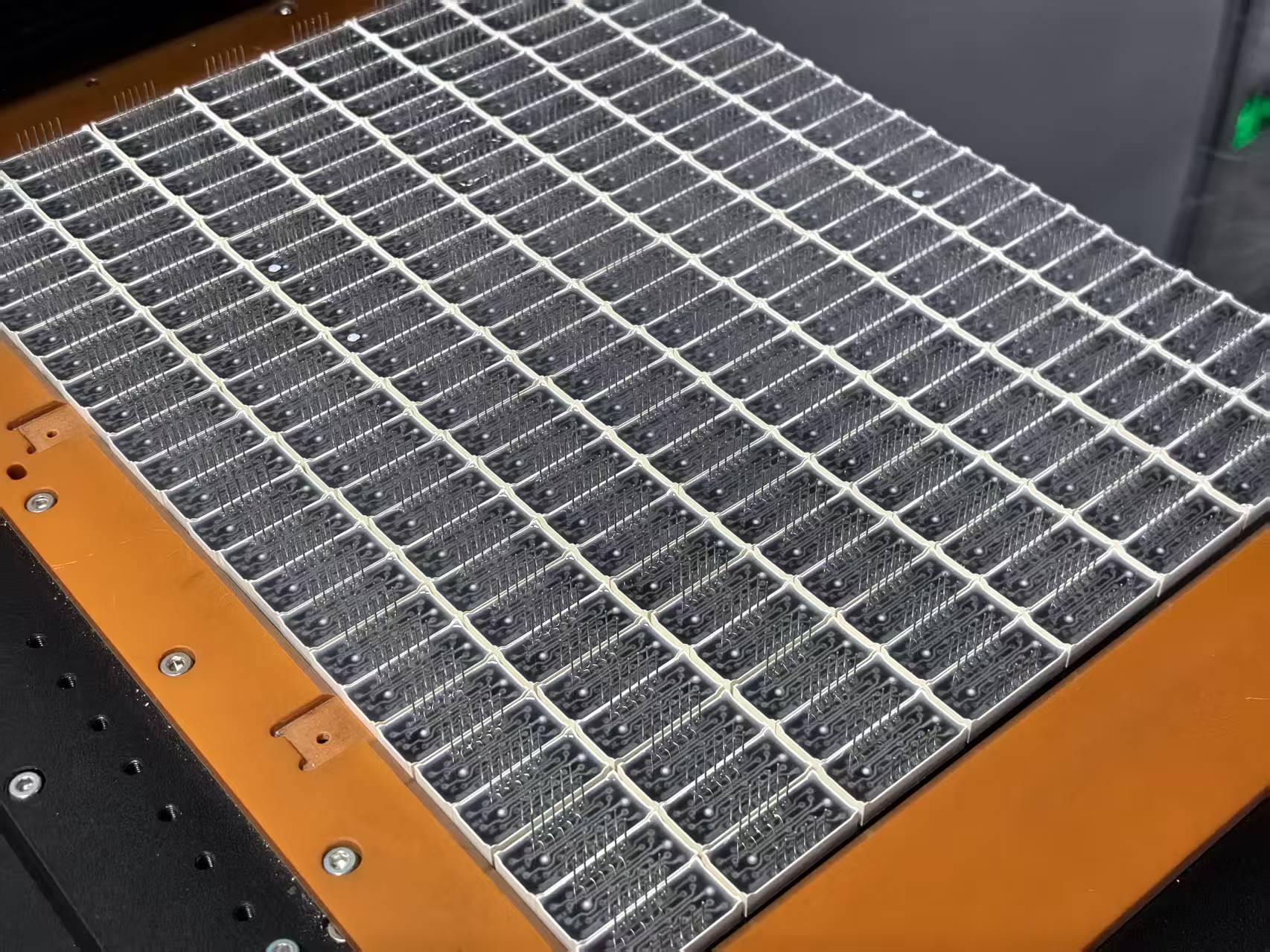
- High-volume production
- Compact electronic designs
A Mini 7 Segment LED Display with SMD packaging helps manufacturers reduce PCB space while maintaining clear numeric output.
3. Consider Brightness and Power Consumption
Although LED displays are generally energy-efficient, brightness requirements can affect power consumption.
Important factors include:
- LED color
- Forward voltage
- Driving current
- Required brightness level
- Operating environment
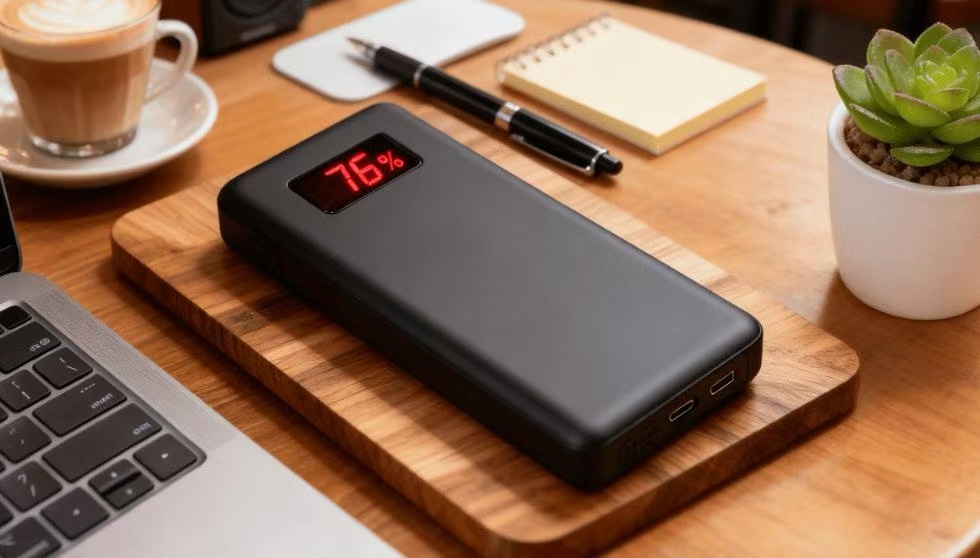
For battery-powered products, engineers often choose red LED displays because they provide excellent visibility with relatively low power consumption.
For outdoor or high-brightness applications, a customized display may be required with:
- Higher efficiency LED chips
- Optimized driving current
- Improved optical design
A professional Industrial LED Display Module supplier can help optimize brightness, reliability, and energy efficiency.
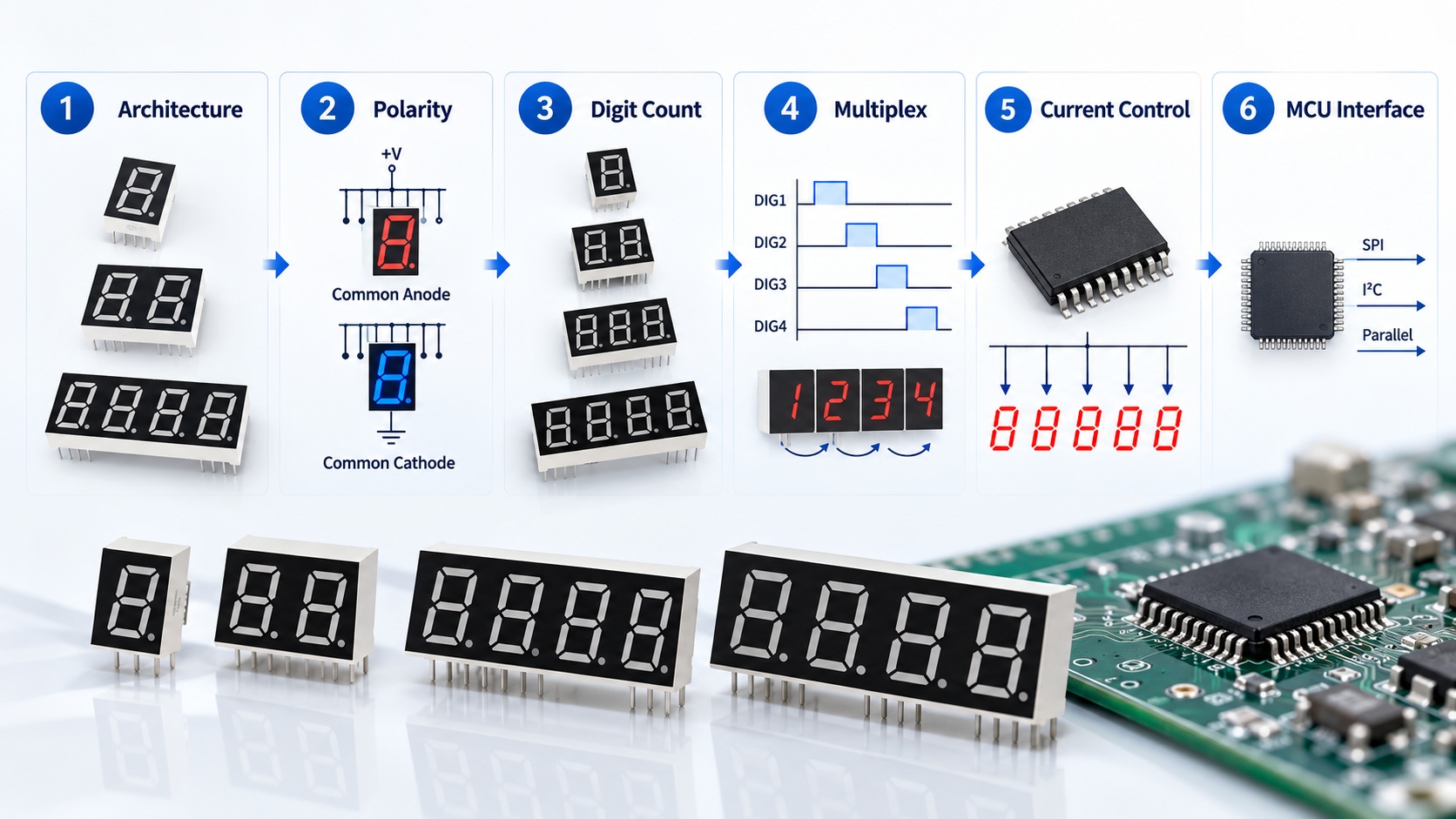
4. Determine the Required Number of Digits
The number of digits depends on what information the equipment needs to display.
| Number of Digits | Common Applications |
|---|---|
| 1 Digit | Status indicators, channel numbers |
| 2 Digits | Voltage, percentage, simple values |
| 3 Digits | Temperature, pressure, speed |
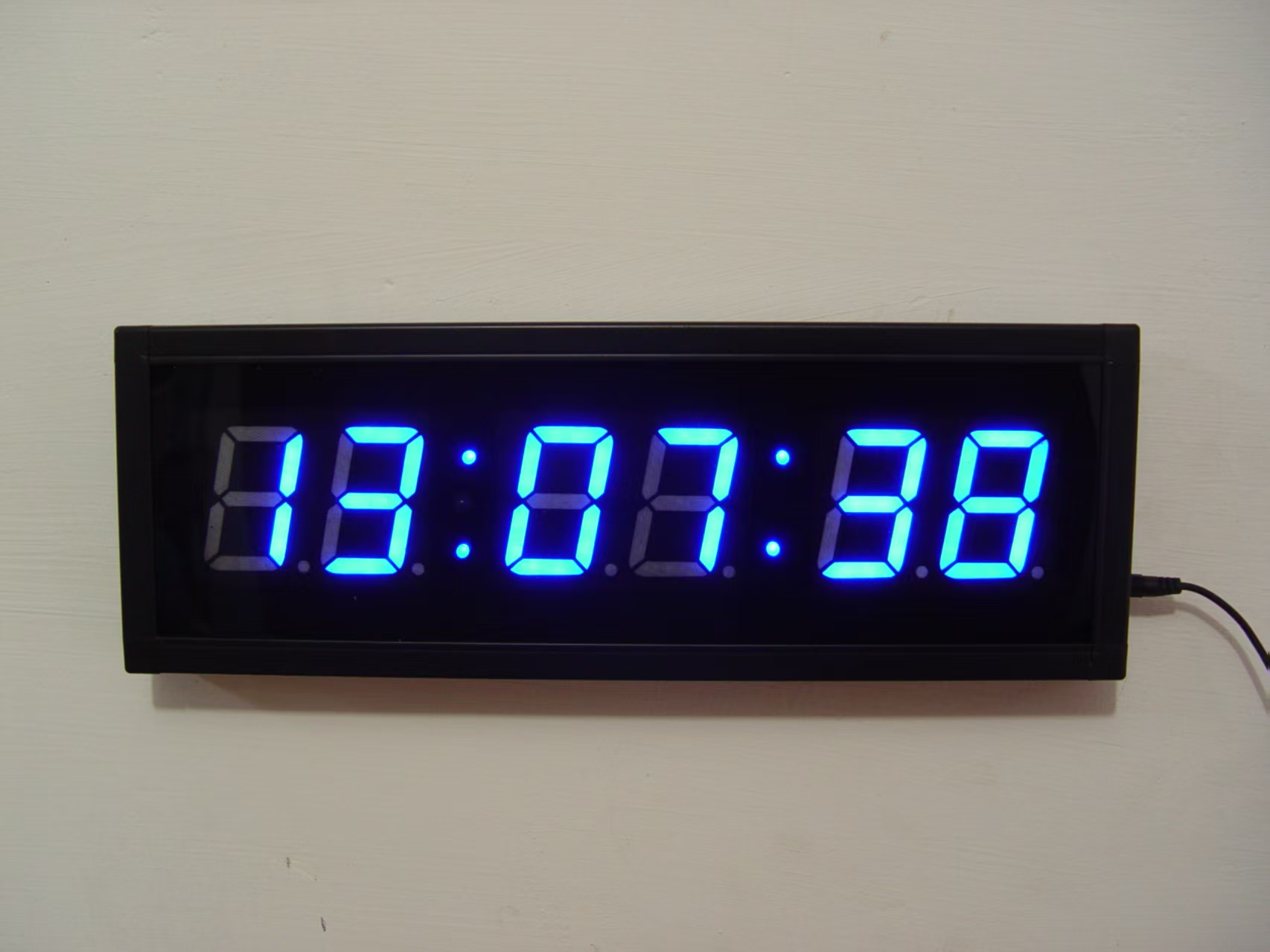
| 4 Digits | Timers, counters, measurement equipment |
| Multiple Digits | Customized industrial systems |
Before selecting a display, engineers should confirm:
- Required display range
- Decimal point requirements
- PCB space limitations
- Controller compatibility
Common 7 Segment LED Display Applications in Industrial Equipment
The popularity of 7 Segment LED Display Applications comes from their simplicity, durability, and easy integration.
Industrial Automation Equipment
Mini displays are widely used in:
- Machine control panels
- Production counters
- Factory automation systems
- Process monitoring equipment
Measurement Instruments
Typical applications include:
- Digital meters
- Temperature controllers
- Testing equipment
- Laboratory instruments
Medical and Electronic Devices
Compact LED displays are used for:
- Monitoring equipment
- Diagnostic devices
- Control interfaces
Embedded Systems
An Embedded LED Display provides a simple way to add numeric information without increasing system complexity.
Standard vs Custom 7 Segment Display Solutions
Standard displays are usually suitable when:
- The PCB footprint matches existing models
- The required size is commonly available
- Faster delivery is needed
However, many industrial products require a Custom 7 Segment Display because standard products cannot meet specific design requirements.
Customization options may include:
- Custom digit height
- Special pin configuration
- Different LED colors
- Higher brightness
- Custom viewing angle
- Unique mechanical dimensions
A customized Compact LED Display Solution allows engineers to achieve better product integration without unnecessary redesign.
Why Choose Houkem as Your OEM LED Display Manufacturer?
Houkem specializes in LED display manufacturing and provides OEM solutions for industrial and electronic applications.
Our capabilities include:
- Mini 7 segment LED display production
- Custom LED display development
- Industrial LED Display Module solutions
- SMD and DIP display options
- Engineering support for product integration
With professional LED manufacturing experience, Houkem works with global customers to develop reliable display solutions for industrial automation, medical equipment, measurement systems, and embedded electronics.
Mini 7 Segment Display Selection Checklist
Before choosing a display, engineers should confirm the following:
Viewing Distance
Determine how far operators will read the display during normal operation.
Digit Height
Select a suitable size based on visibility requirements.
Mechanical Space
Check:
- PCB dimensions
- Mounting position
- Display height
- Pin layout
Operating Environment
Consider:
- Temperature range
- Vibration conditions
- Lighting environment
- Required lifetime
Production Volume
Compare whether a standard display or custom solution provides better long-term value.
FAQ About Mini 7 Segment Displays
What industries use mini 7 segment displays?
Mini 7 segment displays are commonly used in industrial automation, measurement equipment, medical devices, power controllers, and embedded electronic products.
Can Houkem provide custom 7 segment displays?
Yes. Houkem provides customized solutions including digit size, pin configuration, brightness, color, and mechanical design according to customer requirements.
How do I choose the correct display size for my equipment?
The correct size depends on viewing distance, available installation space, brightness requirements, and the operating environment.
Should I choose SMD or DIP for an industrial display?
DIP is often preferred for applications requiring stronger mechanical stability, while SMD is suitable for compact designs and automated production.
What information should I provide for a custom LED display quotation?
Engineers should provide display size, digit number, PCB requirements, application environment, operating temperature, and estimated production volume.
Need a Custom Mini 7 Segment Display Solution?
Selecting the right display at the beginning of a project can reduce redesign costs and improve product reliability.
Houkem provides professional OEM LED display solutions, including standard and customized mini 7 segment displays for industrial applications.
Contact our engineering team with your requirements:
- Display size
- Number of digits
- PCB dimensions
- Application environment
- Annual production volume
We can help you evaluate the best display solution for your project and provide technical support for your next product design.
Why 0.25-Inch LED Displays Work Well in Compact Devices
How to Choose the Right 7-Segment LED Display Module