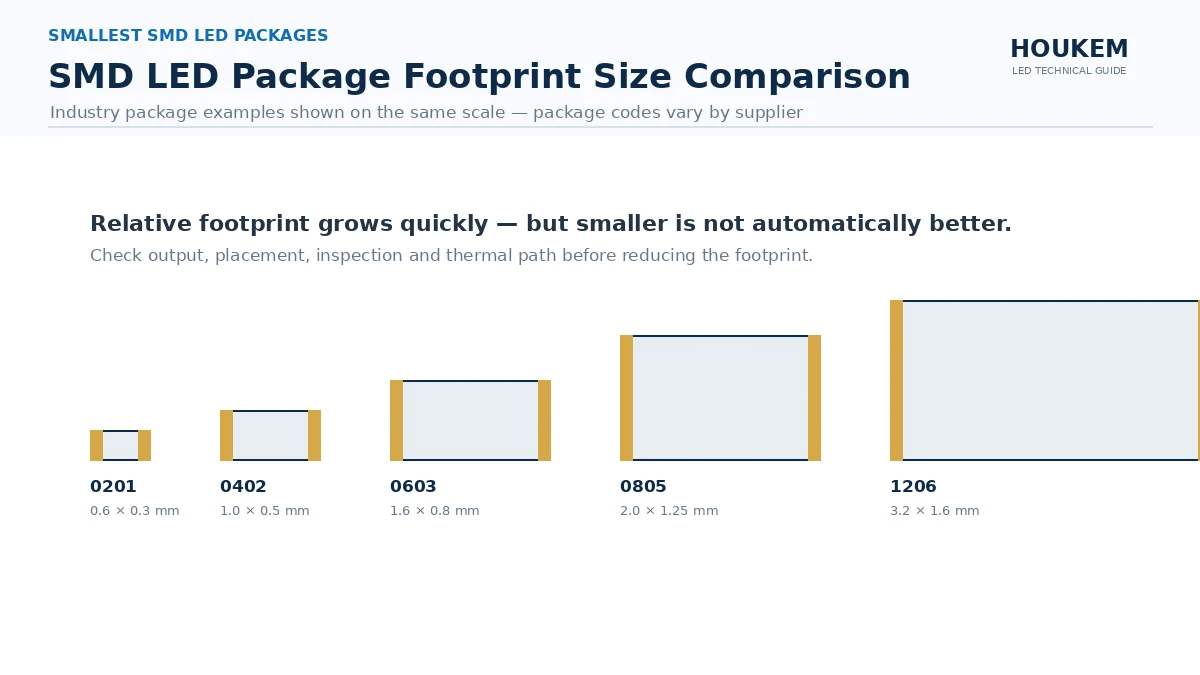
LED Display Size Guide: How to Choose the Right Display for Your Device

The Engineer’s Guide to Choosing the Right LED Display Size
Selecting the correct LED Display Size is a critical step in product development. For engineers and purchasing teams, display selection affects not only readability but also PCB design, power consumption, mechanical structure, and manufacturing cost.
A display that is too small may reduce visibility and increase operation errors. On the other hand, an oversized display can increase product dimensions, power requirements, and unnecessary costs.
For industrial controllers, measurement equipment, medical devices, and smart electronic products, choosing the right LED Display Dimension requires a balance between viewing distance, application requirements, installation space, and production goals.
This guide explains how to choose LED display size from an engineering perspective and helps you understand when to select standard displays or a Custom LED Display Size solution.
Key Factors That Determine LED Display Size
When selecting an LED display for a device, engineers usually evaluate four important factors:
- Viewing distance
- Display type and information content
- PCB and mechanical limitations
- Electrical and environmental requirements
The best LED Display Size is not always the largest available option. It should provide clear visibility while maintaining efficient product design.
For LED Display for Industrial Equipment, proper size selection can improve user experience, reduce maintenance issues, and avoid costly redesigns.
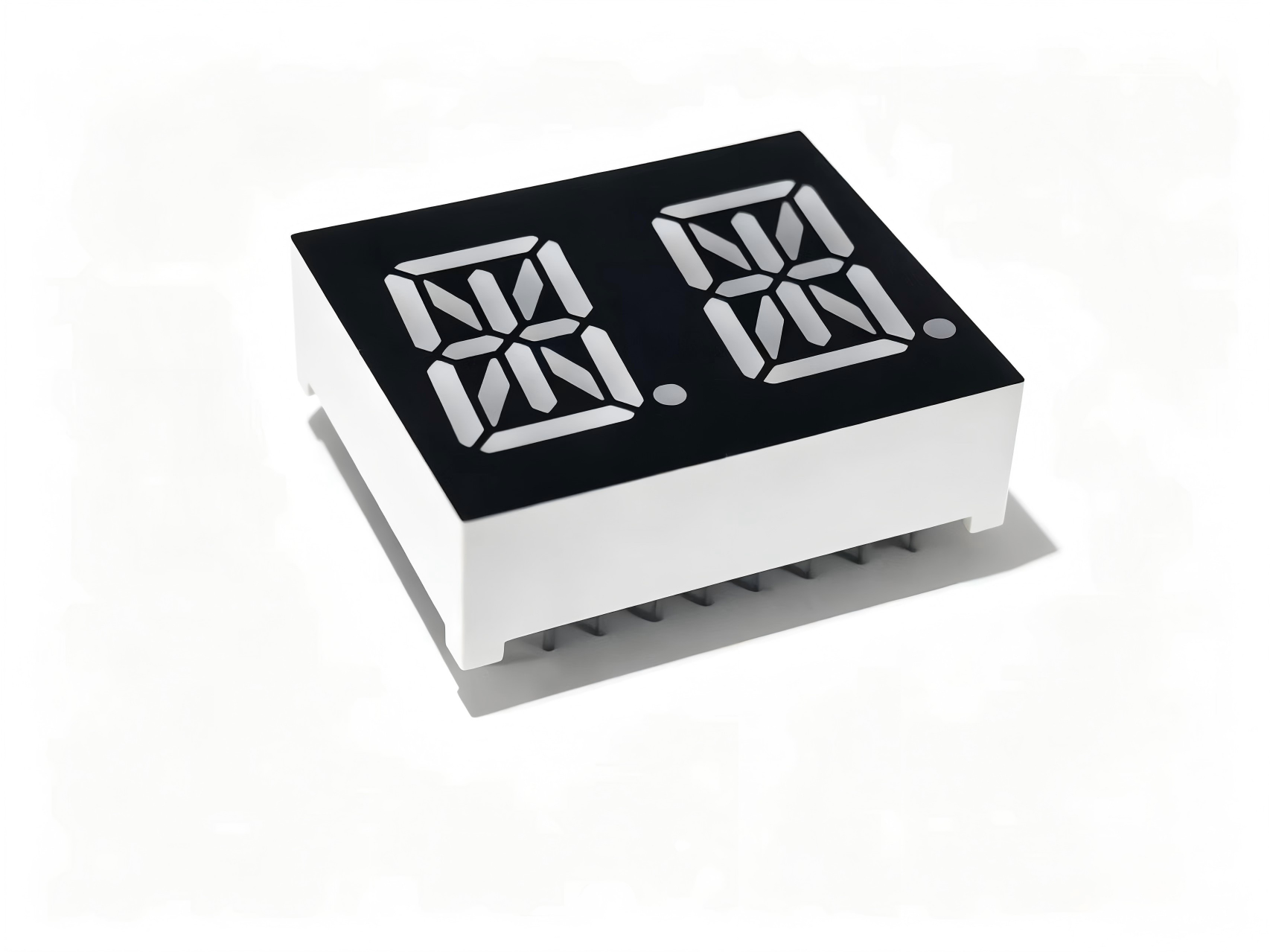
Calculate LED Display Digit Height Based on Viewing Distance
One of the most important factors when selecting a display is LED Display Digit Height.
The digit height determines how easily users can read information from different distances. A larger digit height is usually required for applications where operators view the display from several meters away.
A commonly used engineering guideline is:
Minimum Digit Height (inch) = Viewing Distance (feet) / 30
Or:
Minimum Digit Height (mm) = Viewing Distance (meters) / 0.76
Recommended Digit Height Reference
| Viewing Distance | Minimum Digit Height | Recommended Display Size |
|---|---|---|
| 3 feet (1 meter) | 0.1 inch (2.5 mm) | 0.3 inch (7.6 mm) |
| 6 feet (2 meters) | 0.2 inch (5 mm) | 0.5 inch (12.7 mm) |
| 10 feet (3 meters) | 0.33 inch (8.4 mm) | 0.8 inch (20 mm) |
| 30 feet (9 meters) | 1 inch (25.4 mm) | 1.8–2.3 inch (46–58 mm) |
In real industrial environments, factors such as strong lighting, vibration, and viewing angle should also be considered.
For example, a factory control panel usually requires a larger digit height than a handheld measurement device because operators need quick and accurate reading.
Choose the Right Display Type: 7 Segment vs Dot Matrix
The display structure directly affects the required size, cost, and performance.
7 Segment LED Display Size Selection
A 7 Segment LED Display Size is commonly used for numeric information, including:
- Digital meters
- Industrial counters
- Timers
- Temperature controllers
- Control panels
7-segment displays provide:
- High contrast
- Clear numeric characters
- Simple driving circuits
- Efficient power consumption
For applications that mainly display numbers, a 7-segment display often provides better readability compared with more complex display technologies.
Dot Matrix LED Display Size Selection
A Dot Matrix LED Display Size is suitable when products need to display:
- Letters
- Symbols
- Multiple characters
- Simple graphics
However, dot matrix displays usually require more space and more complicated driving systems.
When comparing different display technologies, engineers should consider the actual information requirement rather than choosing the most flexible option.
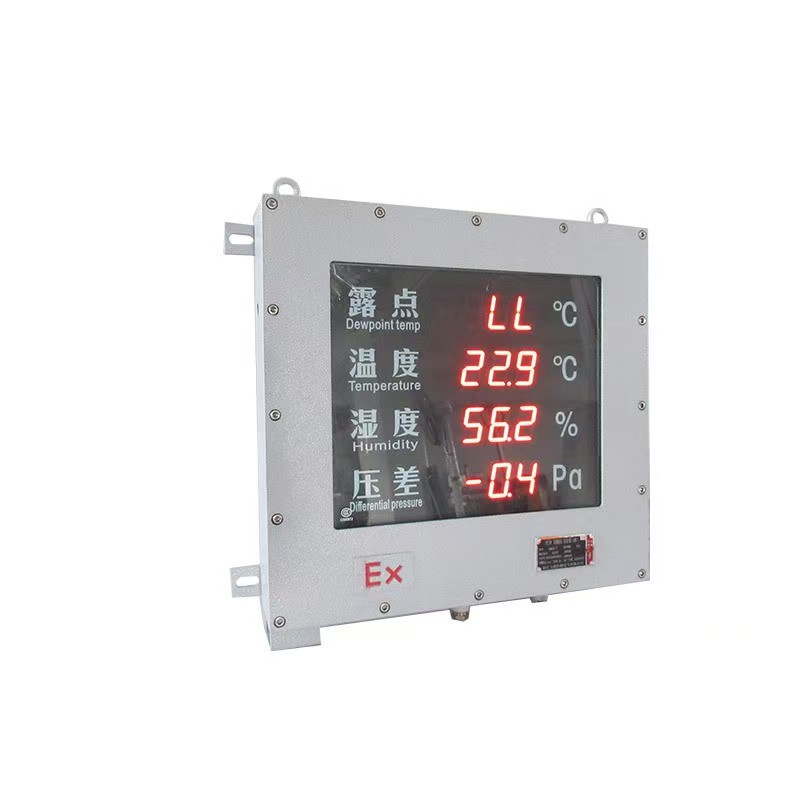
Check PCB Layout and Mechanical Compatibility
Many display design problems happen because mechanical compatibility is not considered early enough.
Before selecting an LED display, engineers should confirm:
PCB Footprint
Different display sizes may have different:
- Pin configurations
- Mounting positions
- Electrical connections
- Package dimensions
A larger display cannot always replace a smaller standard display without modifying the PCB.
Installation Height
The available space above the PCB is also important.
For compact electronic products, low-profile LED packages may be preferred, while industrial devices may allow larger through-hole packages for better visibility.
A reliable LED Display Manufacturer should provide detailed drawings and technical support before production.
Consider Power Consumption and Operating Environment
Display size directly affects electrical performance.
A larger display usually contains more LED segments or chips, which may increase power consumption and heat generation.
Engineers should evaluate:
- Operating temperature
- Brightness requirements
- Continuous working time
- Heat dissipation conditions
For outdoor equipment or high-temperature environments, customized display designs can optimize brightness and reliability.
A professional OEM LED Display Solution can adjust:
- LED current
- Brightness level
- Package structure
- Electrical parameters
to meet specific product requirements.
Standard LED Display Size vs Custom LED Display Size
Many projects begin with standard display models because they are easy to purchase and integrate.
However, standard products may not always match the final product design.
When to Choose Standard LED Displays
Standard LED displays are suitable for:
- Products with fixed PCB designs
- High-volume applications using common specifications
- Rapid prototype development
Common digit sizes include:
- 0.39 inch
- 0.56 inch
- 0.8 inch
- 1 inch
When to Choose Custom LED Display Size
A Custom LED Display Size solution is recommended when:
- Standard sizes cannot fit the enclosure
- Special digit height is required
- Specific brightness is needed
- Custom pin layout is necessary
- Product design requires better integration
A custom solution allows engineers to optimize:
- Display dimensions
- LED color
- Viewing angle
- Brightness
- PCB compatibility
For OEM customers, customization can reduce assembly problems and improve overall product performance.
How Houkem Supports OEM LED Display Projects
As an experienced LED Display Manufacturer, Houkem provides standard and customized LED display solutions for global industrial customers.
Our engineering team supports:
- Display size evaluation
- Mechanical drawing review
- Custom digit height development
- Prototype production
- Mass production support
Whether you need a standard module or a complete OEM LED Display Solution, Houkem can help select the right display based on your product requirements.
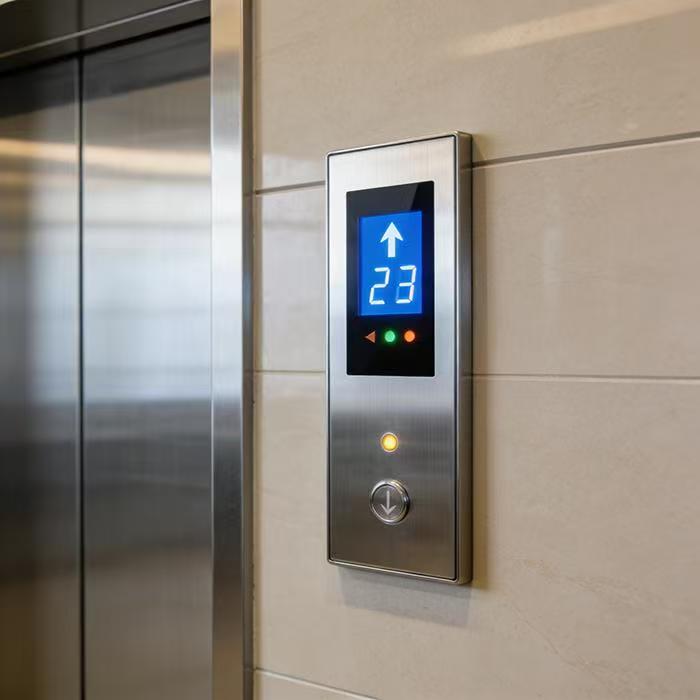
Four Questions Before Selecting LED Display Size
Before confirming your display specification, consider:
1. What is the viewing distance?
Viewing distance determines the required LED Display Digit Height.
2. What information needs to be displayed?
Numeric applications usually benefit from 7-segment displays, while text applications may require dot matrix displays.
3. What installation space is available?
Confirm PCB dimensions, mounting positions, and enclosure limitations.
4. Is customization required?
If standard displays cannot meet your requirements, a custom display may provide a better long-term solution.
FAQ About LED Display Size Selection
What is the most important factor when choosing LED Display Size?
Viewing distance is the first consideration because it determines the required digit height and readability.
How do I select between a 7 segment display and a dot matrix display?
Choose a 7-segment display for numeric data and a dot matrix display when letters, symbols, or graphics are required.
Can Houkem provide Custom LED Display Size solutions?
Yes. Houkem provides customized LED display solutions including size, brightness, pin configuration, and package design.
Does a larger LED display always provide better performance?
No. The correct size depends on viewing distance, application requirements, available space, and power limitations.
What information should customers provide for OEM LED display projects?
Customers should provide application details, display requirements, PCB dimensions, viewing distance, and expected order quantity.
Contact Houkem for Your LED Display Solution
Choosing the correct LED Display Size can improve product reliability, reduce redesign costs, and create a better user experience.
With professional manufacturing experience and customization capability, Houkem provides reliable LED displays for industrial equipment, control systems, and OEM applications.
If you are developing a new product or replacing an existing display module, contact our engineering team with your application details, viewing distance, and design requirements.
We will help you evaluate the suitable display specification and provide an optimized OEM LED Display Solution for your project.
How to Read an LED Display Datasheet Correctly: A Practical Guide for Engineers and OEM Buyers
Common Anode vs Common Cathode 7 Segment Display: Complete OEM Guide