


UV LED vs Black Light: 365nm vs 395nm, Differences, Wavelengths & Applications
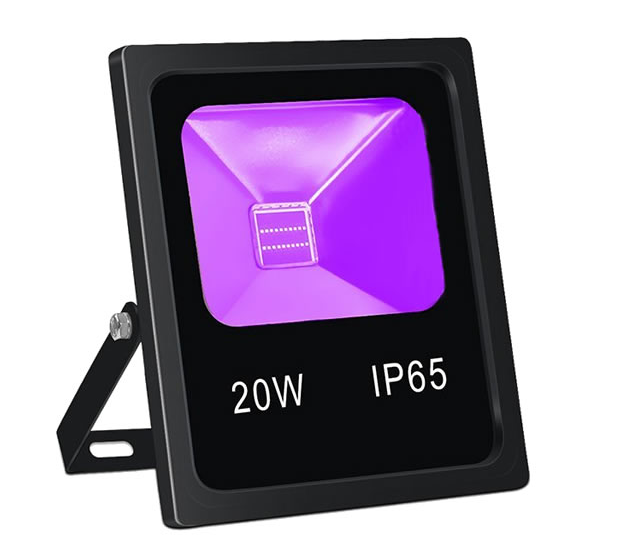
Many people assume UV LED and black light are the same thing. They are related, but they are not identical.
A black light is typically a UV-A source designed to create fluorescence effects and visible glow. A UV LED is a semiconductor device that emits ultraviolet radiation at a controlled wavelength for specific tasks such as curing, inspection, sensing, authentication, and sterilization.
For most buyers, the real difference is not the product name — it is the wavelength.
Quick recommendation:
| If you need | Recommended |
|---|---|
| Crack detection or NDT inspection | 365nm UV LED |
| Currency authentication | 365nm UV LED |
| UV adhesive curing | Match the adhesive wavelength (often 365nm or 395nm) |
| Fluorescence inspection | 365nm UV LED |
| Clubs, glow parties, posters | 395nm black light |
| Decorative lighting | 395nm black light |
If you need precise fluorescence performance and industrial consistency, choose a narrow-band UV source. If your goal is glow effects and visual impact, a black light is often enough.
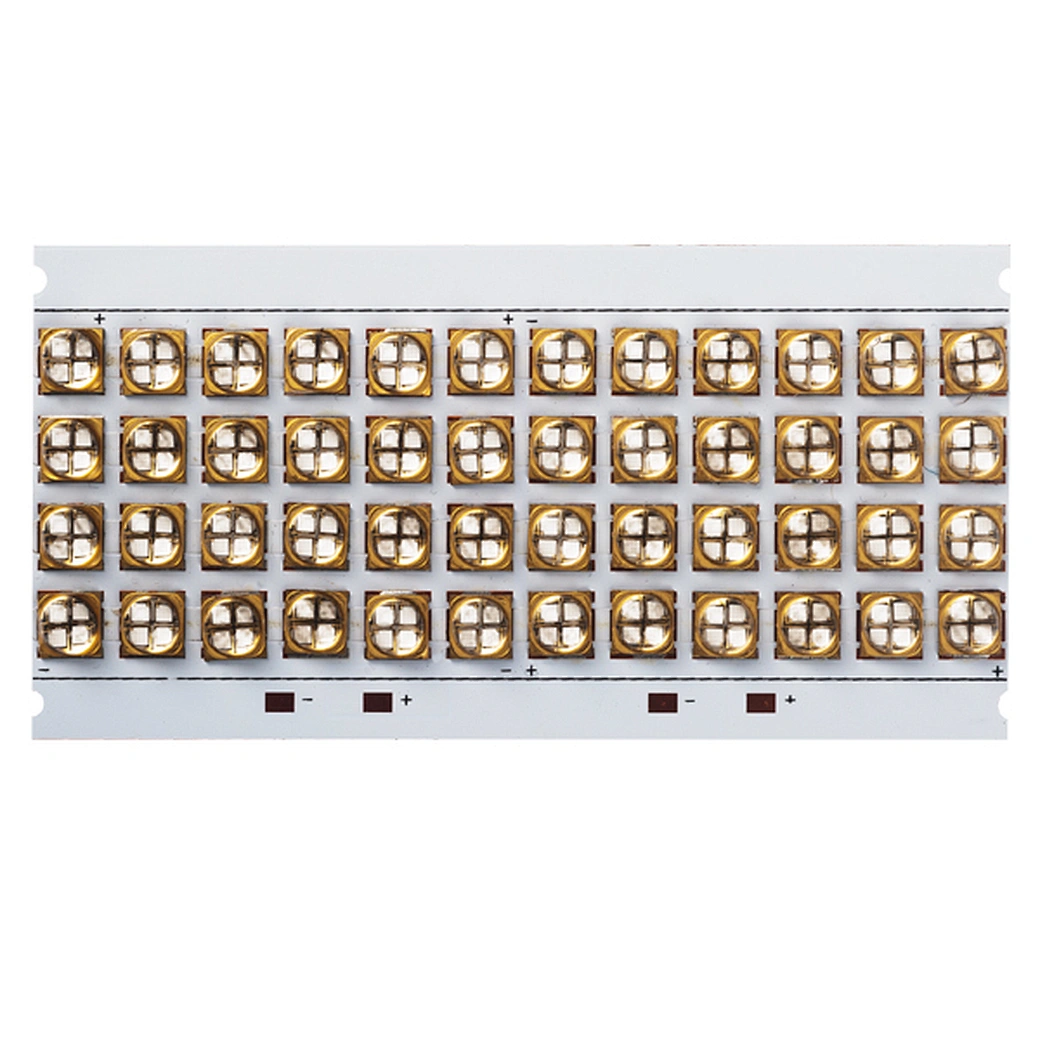
What Is UV LED?
UV LED (Ultraviolet Light Emitting Diode) is a semiconductor light source that emits ultraviolet radiation at a precise wavelength.
Unlike traditional UV lamps, UV LED technology provides more control over output and optical performance.
Common UV LED wavelength ranges include:
| UV Type | Wavelength | Typical Applications |
|---|---|---|
| UV-A | 315–400nm | Curing, fluorescence, counterfeit detection |
| UV-B | 280–315nm | Medical and biological applications |
| UV-C | 200–280nm | Sterilization and disinfection |
Advantages of UV LED technology include:
✓ Instant startup without warm-up
✓ Mercury-free design
✓ Compact PCB integration
✓ Longer operating life
✓ Stable wavelength output
✓ Easier optical control
For industrial applications, the most common UV LED wavelength options are 365nm, 385nm, and 395nm.
What Is Black Light?
Many people searching “what is black light” assume it is a completely different technology from UV light. In reality, black light is usually a UV-A light source operating between approximately 365nm and 400nm.
The term "black light" comes from the fact that most of the emitted radiation is invisible. However, a faint purple glow is usually visible.
Common black light applications include:
- Entertainment lighting
- Glow parties
- Fluorescent posters
- Basic leak detection
- Currency checking
- Mineral identification
- Entry-level forensic inspection
Most consumer products prioritize visual effects and lower cost rather than precision optical performance.
UV LED vs Black Light: Key Differences
| Feature | UV LED | Typical Black Light |
|---|---|---|
| Technology | Semiconductor emitter | LED or fluorescent tube |
| UV LED wavelength control | Precise (±3–5nm) | Wider range |
| Typical wavelength | 365nm, 385nm, 395nm | Mostly 395nm |
| Visible purple light | Low to moderate | Strong |
| Fluorescence contrast | High | Medium |
| Energy efficiency | High | Moderate |
| Startup | Instant | Instant or delayed |
| Service life | 20,000–50,000+ hrs | Usually shorter |
| Industrial use | Extensive | Limited |
In practice, black light describes an application style, while UV LED describes the underlying technology.
That distinction becomes more important in professional inspection or industrial projects.
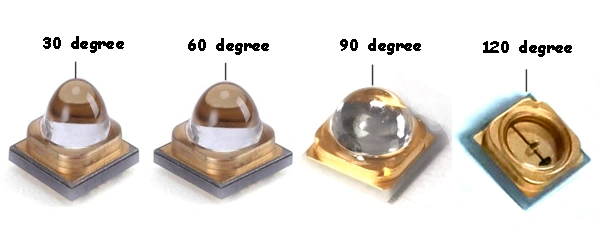
365nm vs 395nm: Why Wavelength Matters
This is often the biggest source of confusion when comparing UV LED vs Black Light.
A 395nm source usually appears brighter because more visible purple light reaches your eyes.
A 365nm source often appears dimmer but can produce much stronger fluorescence.
Apparent brightness does not equal inspection performance.
365nm UV LED
| Parameter | Value |
|---|---|
| Fluorescence response | Strong |
| Visible purple light | Very low |
| Inspection contrast | Excellent |
| Common uses | NDT, crack detection, UV LED for fluorescence, authentication |
| Compliance | ASTM E3022 compatible |
365nm UV LED systems are commonly used where fluorescence contrast matters.
Typical applications include:
- Aerospace inspection
- Magnetic particle testing
- Fluorescent penetrant inspection
- Counterfeit detection
- Industrial imaging
395nm Black Light
| Parameter | Value |
|---|---|
| Fluorescence response | Moderate |
| Visible purple light | Strong |
| Visual appearance | Bright purple |
| Common uses | Decorations, clubs, posters |
| Cost | Lower |
395nm black light products are popular because they look visually brighter and are generally less expensive.
Real-World Observation
In industrial inspection environments, engineers often prefer 365nm sources because strong visible purple spill light from 395nm products can reduce fluorescence contrast.
Although a 395nm light source may look brighter to the human eye, brighter does not necessarily mean better inspection performance.
This is one reason aerospace and NDT industries typically specify wavelength requirements rather than simply requesting a "black light."
UV LED for Fluorescence and Industrial Applications
Modern UV LED technology is now used far beyond decorative lighting.
Industrial UV systems commonly include:
UV inspection systems
Used for:
- Crack inspection
- Surface defect detection
- Currency authentication
- Leak detection
- Forensic analysis
UV LED for curing
UV LED for curing is widely used in:
- Adhesives
- Electronics
- Coatings
- Printing
- Medical devices
The curing process depends heavily on matching the UV LED wavelength to material absorption characteristics.
Medical and sterilization systems
UV-C systems are increasingly used for:
- Water treatment
- Surface sterilization
- Air purification
Sensors and machine vision
UV emitters are commonly integrated into:
- Optical sensors
- Machine vision systems
- Automated inspection platforms
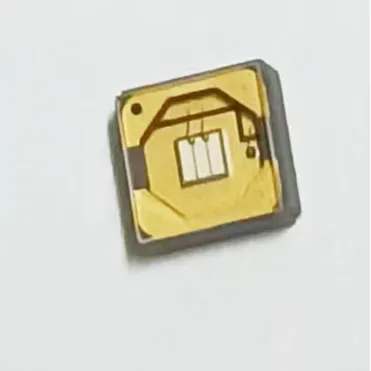
Can UV LED Replace Traditional Black Light Tubes?
In many applications, yes.
| Feature | Fluorescent Tube Black Light | UV LED |
|---|---|---|
| Warm-up time | 3–5 min | Instant |
| Service life | 5,000–10,000 hrs | 20,000–50,000+ hrs |
| Energy efficiency | Lower | Higher |
| Mercury content | Yes | No |
| Mechanical durability | Fragile glass | Solid-state |
| Wavelength stability | Gradual degradation | Stable |
For most users, UV LED technology now offers better efficiency, longer life, and easier integration.
Which One Should You Choose?
Choose a 365nm UV LED when:
✓ Fluorescence contrast is critical
✓ Industrial compliance is required
✓ Inspection precision matters
✓ Visible purple light creates interference
✓ Long-term reliability is important
Choose a 395nm black light when:
✓ Decorative effects are the goal
✓ Budget matters most
✓ Strong visible glow is preferred
✓ Precision is not required
For most B2B projects, start with the wavelength requirement instead of the product name.
FAQ
Is black light the same as UV light?
No. Black light is usually a UV-A source. UV light includes UV-A, UV-B, and UV-C.
What is the difference between 365nm and 395nm UV light?
365nm produces stronger fluorescence with less visible light interference. 395nm creates more visible purple light but generally lower contrast.
Why does 365nm look dimmer?
Human eyes are less sensitive to 365nm wavelengths. The UV output may actually be stronger even though it appears dim.
Can I use 395nm for industrial inspection?
For certified inspection applications, usually no. Many industries require specific wavelengths such as 365nm.
Can UV LED replace traditional black lights?
Yes. UV LEDs offer longer life, no mercury, instant startup, and lower maintenance requirements.
Is UV LED for curing the same as UV LED for fluorescence?
Not necessarily. Different materials respond to different wavelengths, so always verify wavelength compatibility.
Conclusion
UV LED vs Black Light is not simply a comparison between two products—it is a decision based on wavelength, application requirements, and performance goals.
Black light applications remain ideal for decorative and visual effects, while UV LED technology continues expanding into curing, industrial inspection, sensing, and authentication systems.
For engineers and B2B buyers, wavelength selection should always come before product labels.
Need help selecting the right UV LED wavelength for your project?
Contact our engineering team for datasheets, OEM/ODM support, and application recommendations tailored to your industry requirements.
How to Test an IR LED: 5 Easy Methods
What Is a Near Infrared LED? Wavelengths, Types & Applications


